
You don’t need a massive countryside estate to make a real difference for our disappearing pollinators. Honestly, even a concrete patio or a bite-sized patch of grass can become the hottest spot in town for local bees and butterflies. Have you ever noticed how a single patch of bright flowers seems to instantly attract life. That is the magic of creating a intentional wildlife haven right outside your back door.
Lately, things have been tough for bugs. Between shifting weather patterns in 2026 and losing their natural habitats to big construction projects, pollinators are scrambling to find food and shelter. But here is the good news: tiny backyards are turning out to be secret weapons in saving them. When we stitch together thousands of micro-sanctuaries across towns and cities, we create a massive, connected lifeling for these crucial creatures.
Start with the Right Menu
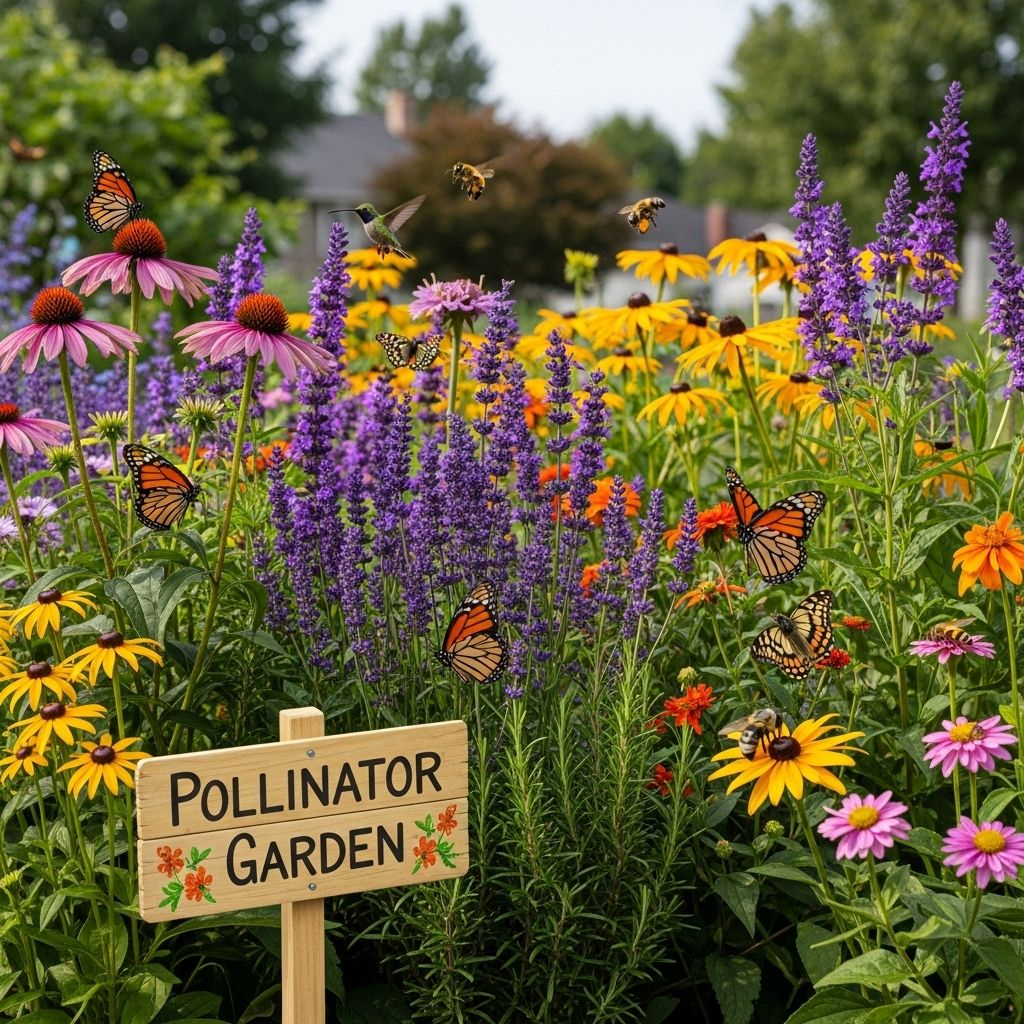
If you want the local wildlife to visit, you have to serve the food they actually crave. This means focusing heavily on native plants—the varieties that have grown naturally in your area for thousands of years. Local bugs and local plants evolved together, so they fit like a glove. For instance, purple coneflowers and black-eyed Susans are absolute magnets for bumblebees and monarch butterflies alike.
It is also smart to think about the different shapes of flowers. Did you know that different bees have different tongue lengths. A chubby bumblebee might love a deep, tubular foxglove flower, while a tiny sweat bee needs a flat, open daisy where it can easily land and sip nectar. Mixing up the shapes ensures nobody goes hungry.
Bloom Throughout the Seasons
A common mistake is planting a garden that looks incredible in June but turns into a ghost town by August. To build a true sanctuary, you need a continuous relay race of blossoms from the chilly days of early spring all the way to the first winter frost. This constant supply of food is what keeps pollinator families thriving over the long haul.
In the early spring, when queens are waking up hungry, plants like crocuses or native redbuds provide a vital lifeline. During the scorching summer heat, lavender and bee balm will keep the party going. And don’t forget autumn; late-blooming asters and goldenrod offer a crucial final meal for butterflies preparing to migrate or bees getting ready to hunker down for the winter.
Ditch the Chemicals Completely
This might sound like a no-brainer, but it is worth shouting from the rooftops: pesticides and pollinators just do not mix. Even weed killers that claim to be safe can disorient bees, making it impossible for them to find their way back to their hives. Embracing a slightly wilder, organic approach is the absolute best gift you can give your new backyard buddies.
Instead of reaching for a chemical spray when pests show up, try letting nature find its own balance. Aphids ruining your plants? Wait a few days, and ladybugs will usually show up for a feast. If you absolutely must treat a plant issue, stick to gentle, natural remedies like organic insecticidal soaps or neem oil, and only apply them late in the evening when the bees have already gone to bed.
Create a Tiny Watering Hole
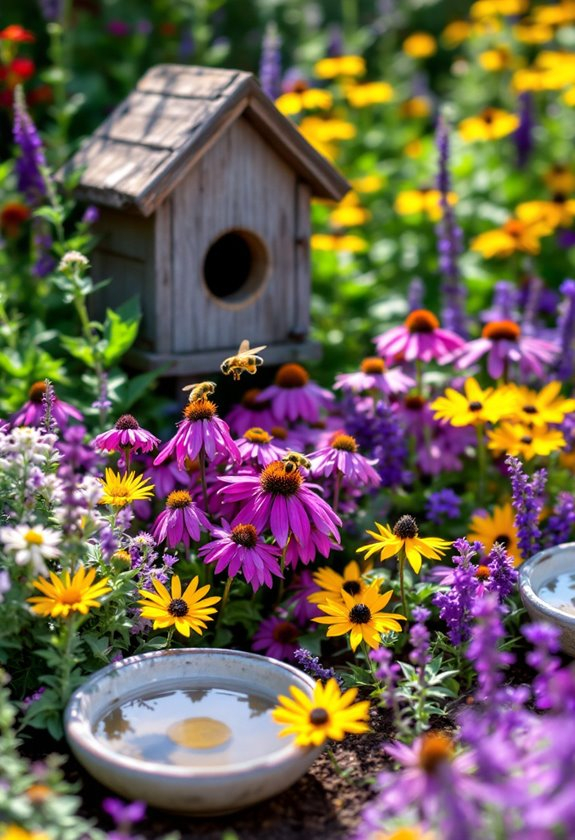
Just like us, insects get incredibly thirsty, especially during hot summer days. However, taking a drink can be perilous for a creature with wings. Deep birdbaths or deep puddles are easy places for a bee to accidentally drown, which is why they need a custom-built watering station.
You can easily craft a safe insect bubbler using a shallow dish or a pie pan. Fill it with flat stones, colorful marbles, or gravel, and then add just enough water so the tops of the rocks stay dry. This gives the bees and butterflies a safe, dry place to land and sip water without any danger of slipping in. Just remember to refresh the water every couple of days so it stays clean.
Leave a Little Mess for Homes
Perfectly manicured lawns look tidy, but they are essentially deserts for wildlife. Bees and butterflies need safe places to rest, hide from predators, and lay their eggs. By leaving just a few corners of your yard a bit unkempt, you are providing prime real estate for insect housing.
Did you know that most native bee species actually live solitary lives underground. Leaving a small patch of bare, sunny soil undisturbed gives them the perfect spot to dig their tiny nests. Additionally, instead of cutting down all your dead hollow flower stems in the fall, leave them standing until spring. Tiny insects love to hibernate inside those hollow tubes during the freezing winter months.
Maximize Vertical Space with Pots
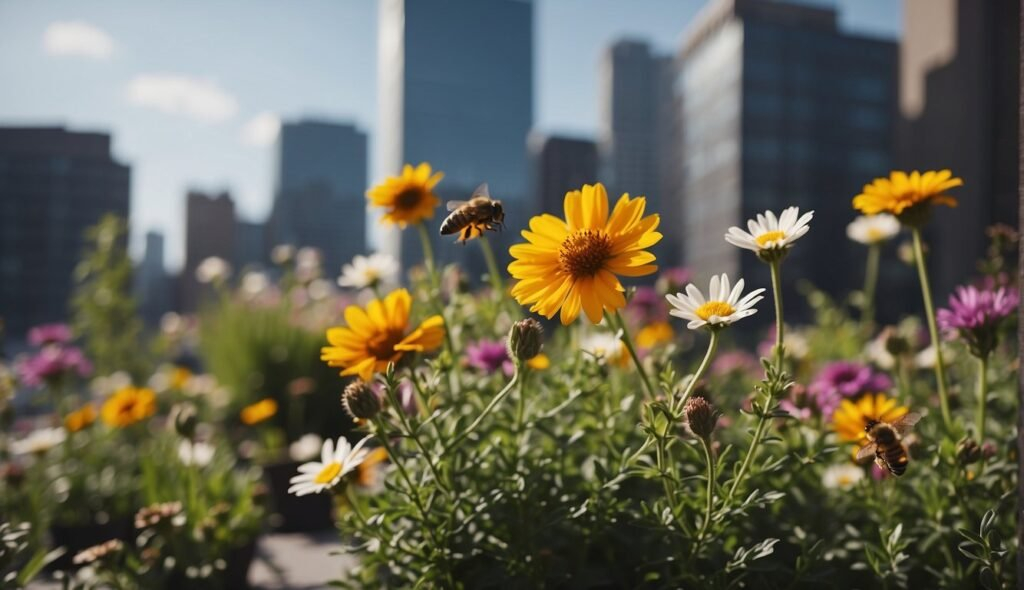
When your ground space is limited, the only way to go is up. Utilizing vertical space is a fantastic trick for small-yard owners. You can use hanging baskets, tiered plant stands, or wall-mounted planters to pack a ton of biodiversity into a tiny footprint.
Climbing vines are another secret weapon for small sanctuaries. Planting something like native honeysuckle or passionflower against a fence takes up almost zero foot space on the ground, but it sends a massive wall of blossoms up into the air for butterflies to enjoy. Even a sunny apartment balcony can host a thriving mini-ecosystem if you use deep pots filled with rich soil and nectar-rich herbs like rosemary, thyme, and oregano.
Transforming a small outdoor area into a wildlife refuge is one of the most rewarding projects you can take on. Pretty quickly, you will start noticing a beautiful rhythm. First comes the gentle hum of worker bees, followed by the silent, graceful flutter of a swallowtail butterfly stopping by for lunch.
By choosing native blooms, keeping things chemical-free, and offering a bit of shelter, you are doing something genuinely impactful. You are creating a green stepping stone in a world that desperately needs more nature. So grab a trowel, pick out a few beautiful plants, and get ready to welcome the wild back into your life.