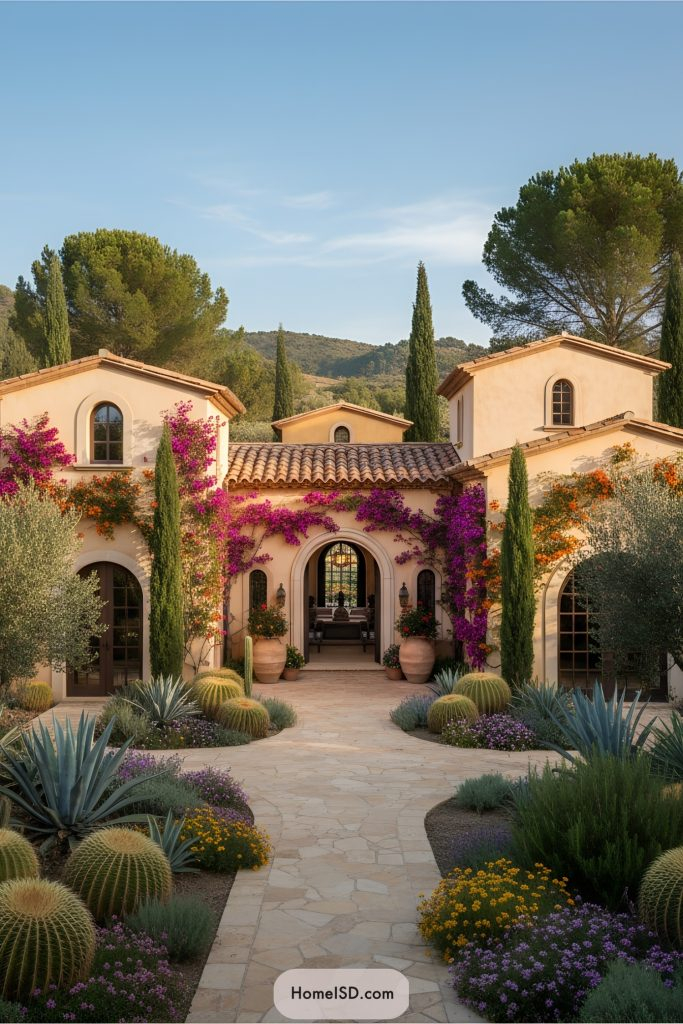

Step outside and take a look at your lawn. Is it looking a bit tired, or maybe costing you a fortune in water bills every single summer. You are definitely not alone. As we move through 2026, communities everywhere are facing tighter water rules and hotter July afternoons, making those vast, bright green lawns feel like a relic of the past.
But here is the good news: skipping the heavy watering does not mean your outdoor space has to look like a barren desert. In fact, some of the most stunning gardens on earth thrive in places where rain barely ever falls during the warmest months of the year.
Shifting Our Mindset on What Looks Beautiful
For decades, many of us grew up thinking a perfect yard meant a perfectly flat expanse of thirsty turf grass. But if you travel to the rocky coastlines of southern Europe or the hills of Greece, you see a totally different version of paradise. Out there, beauty is all about texture, movement, and plants that actually love the heat.
These natural places teach us to embrace the local climate instead of fighting against it. By mimicking these spaces, we can build outdoor areas that look incredibly lush while using a fraction of the water. It is about working with nature, not trying to force it to do something it hates.
The Magic of Invisible Water Storage Below Ground
One of the first things you notice about wild Mediterranean plants is how they handle dry spells. They do not wait around for someone to turn on a sprinkler. Instead, they send roots deep into the earth to find hidden moisture trapped between rocks and deep soil layers.
To bring this magic to your own space, the secret lies in building healthy soil that acts like a giant sponge. Adding organic material like compost helps the dirt hold onto every single drop of rain that falls. When you water deeply but less often, you train your plants to grow strong, deep roots that can survive hot spells without breaking a sweat.
Choosing Plants That Know How to Save for a Rainy Day
If you want a gorgeous yard that takes care of itself, you have to pick the right green friends. Plants native to dry climates have developed brilliant tricks to keep from losing moisture. Some have silver leaves that bounce the harsh sunlight away, while others have fuzzy coats that trap tiny pockets of cool air near their stems.
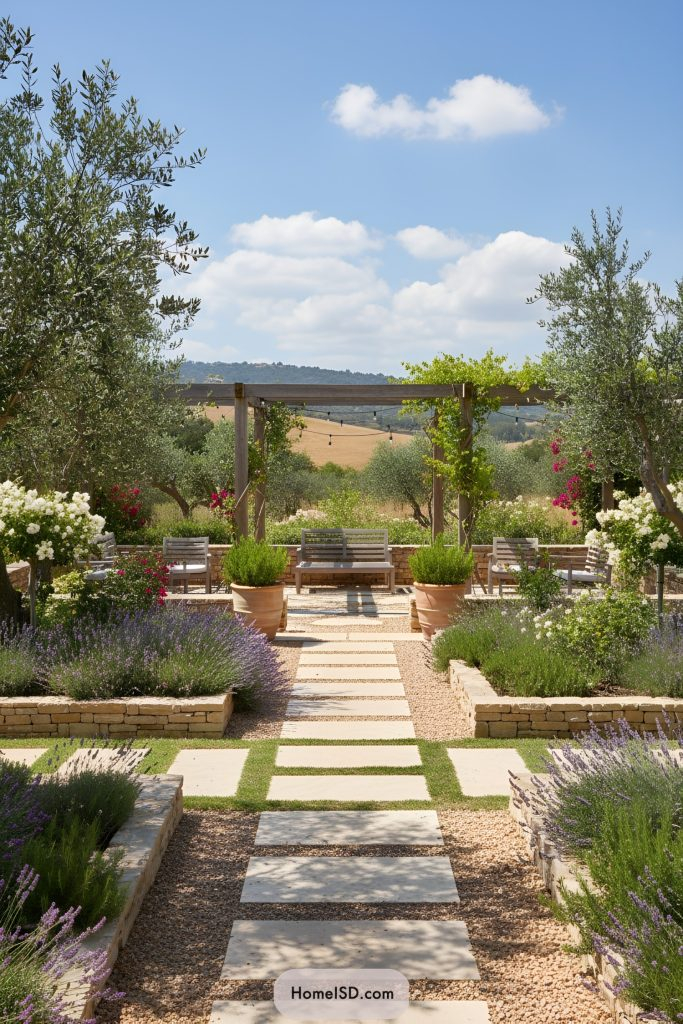
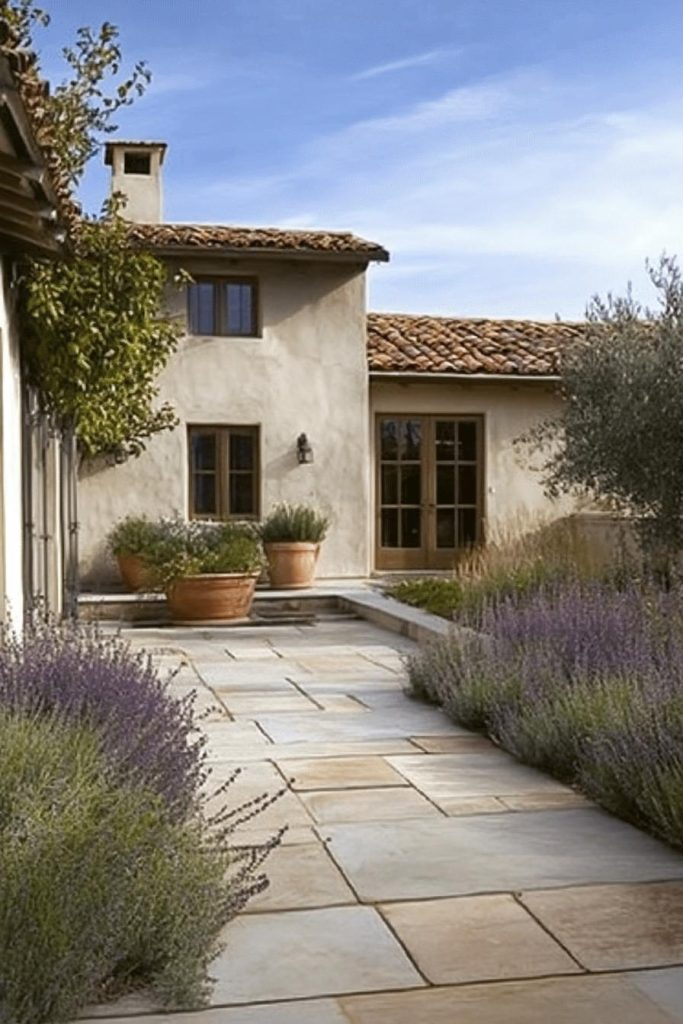
Think about incorporating lovely options like rosemary, lavender, and different types of sage. Not only do these choices smell absolutely incredible when you walk past them, but they also require almost zero attention once they get established in their new home. Plus, local bees and butterflies will absolutely love you for planting them.
Grouping Your Greenery by Their Hydration Needs
Have you ever noticed how some spots in your yard naturally stay a bit wetter, while others get baked by the afternoon sun. Instead of treating the whole space the exact same way, it helps to practice what experts call "hydrozoning." This just means placing plants with similar thirst levels together.
Keep your thirstiest choices close to the house or patio where you can easily keep an eye on them. Then, fill the outer edges of your yard with tough, independent plants that prefer to be left alone. This simple trick prevents you from accidentally overwatering one plant just to keep its neighbor alive.
Protecting the Soil Surface with Smart Blankets
In the wild, leaves and twigs fall to the ground and create a natural protective shield over the dirt. This layer keeps the soil cool and stops the sun from stealing all the moisture away through evaporation. In our own backyards, we can replicate this by using gravel, pebbles, or chipped wood mulch.
Spreading a thick layer of rock or bark around your plants acts like a cozy blanket. It keeps the roots happy, stops annoying weeds from popping up and stealing nutrients, and gives the whole garden a clean, finished look. It is one of the easiest ways to cut your maintenance time in half.
Designing with Stone and Paths Instead of Grass
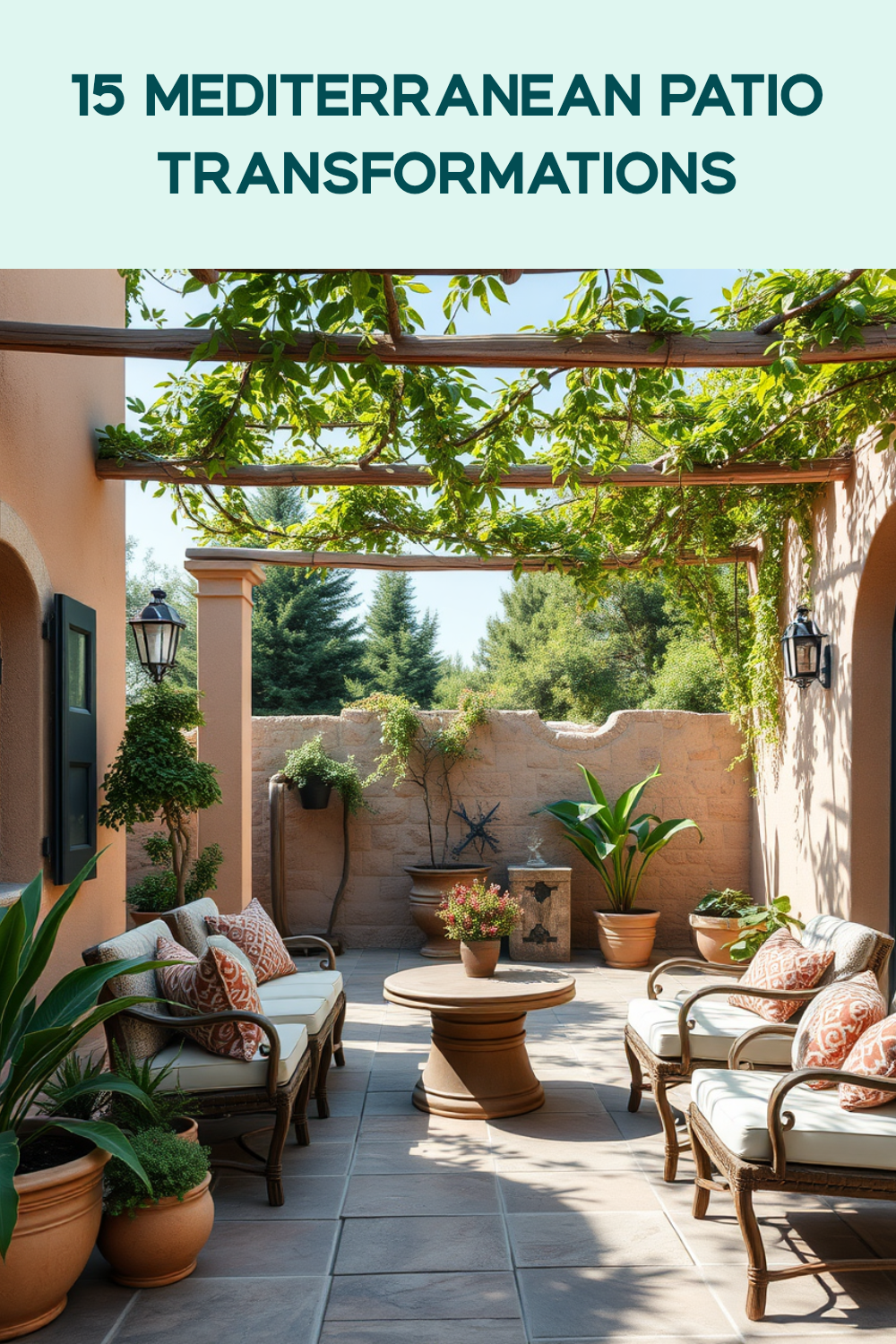
A truly beautiful low-water garden isn’t just about the plants themselves. It is also about the spaces in between them. Mediterranean designs often feature gorgeous stone paths, gravel courtyards, and cozy seating areas that do not require a single drop of water to look amazing.
By reducing the amount of grass and adding elements like a simple gravel patio or a winding flagstone walkway, you create visual interest and structure. These hard surfaces give your eyes a place to rest and make the living parts of your garden pop out even more by contrast.
At the end of the day, creating a sustainable outdoor space is all about accepting the natural rhythm of the earth. Mediterranean landscapes are dynamic; they burst with bright flowers in the spring, take a quiet nap during the hottest weeks of August, and wake up again when the autumn air cools down.
When we let go of the idea that a garden must look exactly the same every day of the year, something wonderful happens. We start noticing the subtle shifts in color, the way the wind moves through dry ornamental grasses, and the true peace of a low-maintenance yard. You get more time to sit back with a cold drink and actually enjoy the view.