
Moving into a fresh home is an exhilarating journey, isn’t it? You’ve picked out the perfect paint swatches, maybe even started thinking about furniture arrangements. But often, the outside gets a bit overlooked in the initial rush. Your yard, your garden, your entire outdoor area – it’s more than just dirt and grass. It’s an extension of your living space, a place for making memories, and a huge part of your home’s overall appeal and monetary worth.
Think about it: that first impression, the one visitors get even before they ring the doorbell. It’s all about the curb appeal. And getting your landscaping right from the get-go isn’t just about making things pretty; it’s a strategic move to boost your property’s value and enjoyment for years to come. In 2026, with property values continually shifting, smart outdoor planning is more important than ever. Let’s dive into how you can make your new home’s exterior shine and truly work for you, right from your very first day.
Start with a Plan, Not a Shovel
It’s tempting to just jump in, isn’t it? You see a pretty shrub at the nursery, or a friend suggests a certain type of flower, and suddenly you’re digging holes. But hold on a moment. Before any soil is disturbed or a single plant purchased, a solid plan is absolutely essential. This isn’t just about what looks good; it’s about what works. Consider your lifestyle: Do you have children or pets who need room to play? Are you an avid gardener, or do you prefer low-maintenance solutions? What about entertaining? Do you envision a spacious patio or an intimate fire pit area.
Mapping out your ideas will help you visualize the potential. Sketch out different zones for relaxation, dining, play, and even a small utility area. Think about pathways, lighting, and how water drains on your property. A thoughtful design saves you both time and cash in the long run, avoiding costly mistakes and ensuring your outdoor space serves all your practical and aesthetic needs. Don’t underestimate the power of a well-conceived layout.
Understand Your Site: Sun, Soil, and Slope
Every piece of land has its own distinct personality, and getting to know your new yard is a fundamental step. Before you plant anything, take some time to observe. What parts of your yard get full sun all day, and which areas are perpetually shaded? Different plants have very different light requirements, and trying to force a sun-lover into a dark corner is a recipe for disappointment, not to mention a wasted investment. Also, consider the soil. Is it sandy, heavy clay, or something in between? Good soil is the foundation of a thriving landscape, and understanding its composition helps you choose the right plants and decide if amendments are needed.
Additionally, pay close attention to the slope of your land. How does water move when it rains? Proper drainage is vital to prevent erosion and protect your home’s foundation. Sometimes, a professional assessment of your site conditions can be incredibly insightful. Knowing these fundamental elements will guide your plant selections and design choices, ensuring your landscaping is not only beautiful but also sustainable and healthy. It’s like building a house; you wouldn’t start without knowing the ground it rests upon.
Prioritize Foundation Planting and Curb Appeal
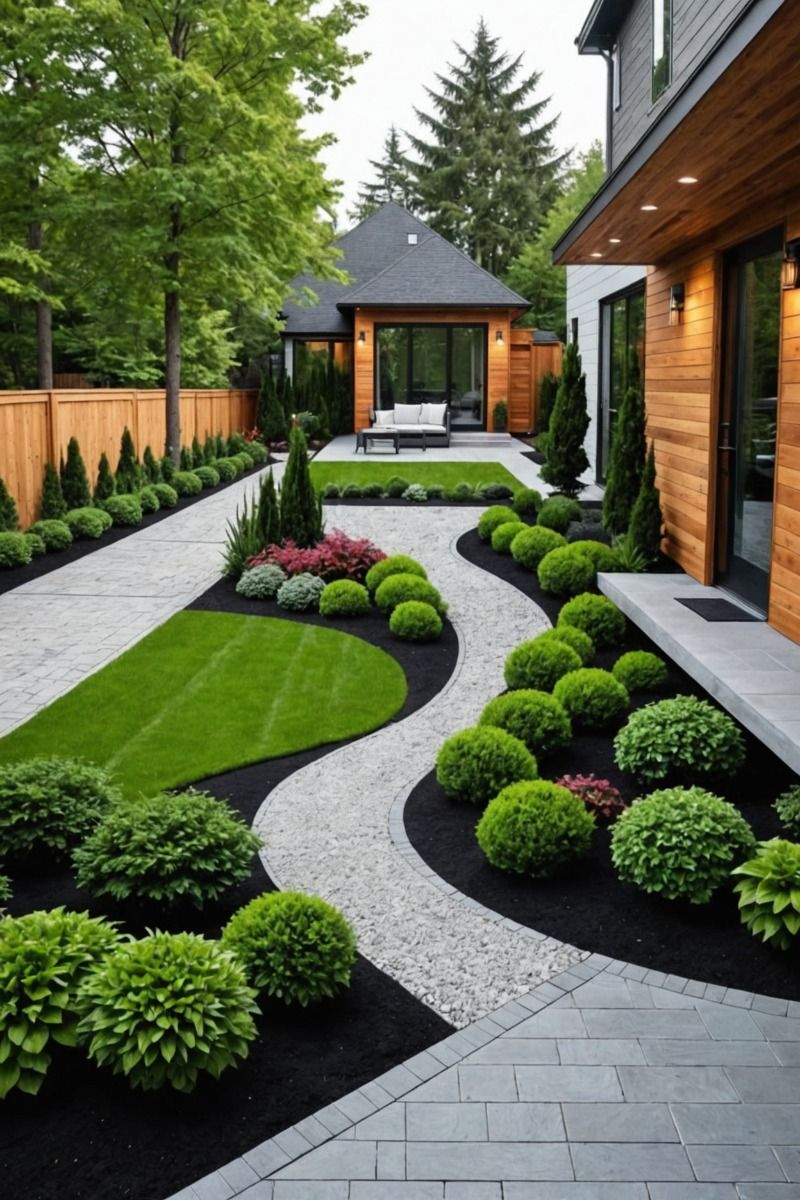
When you’re looking to maximize your home’s worth right away, focus your initial efforts where they’ll have the biggest impact: the front yard and the areas immediately surrounding your house. This is your home’s "welcome mat" to the world. Foundation plantings, those shrubs and smaller trees that hug the base of your home, are crucial. They soften harsh architectural lines and create a seamless transition from the structure to the garden. Opt for evergreen varieties for year-round interest and structure, mixing in some flowering shrubs for seasonal splashes of color.
Think about the approach to your front door. A well-defined pathway, perhaps edged with low-growing plants or attractive stones, invites visitors in. Consider adding a few strategically placed larger plants, like a small ornamental tree, to provide visual anchors and a sense of establishment. These initial touches are what prospective buyers see first, and they significantly influence that all-important first impression. In 2026, a well-cared-for front yard can add a substantial percentage to your property’s market price.
Choose Plants Wisely: Right Plant, Right Place
This mantra might sound simple, but it’s the cornerstone of successful, low-maintenance landscaping. Selecting plants that are well-suited to your local climate, your specific soil conditions, and the amount of sunlight they’ll receive is paramount. Native plants, for instance, are often fantastic choices because they’ve evolved to thrive in your region’s particular environment, requiring less water, fertilizer, and pest control. They also support local wildlife, which is a lovely bonus.
Consider plant mature size. That tiny sapling or cute little shrub will grow, often much larger than you anticipate. Planting something too close to your house or another plant can lead to problems down the road, causing overcrowding, restricted airflow, and even damage to your home’s foundation. Group plants with similar needs together – this makes watering and care much more efficient. Do some research, talk to local nursery staff, and pick plants that will flourish, not just survive. A smart choice today means less work and more enjoyment tomorrow.
Integrate Hardscaping for Function and Style
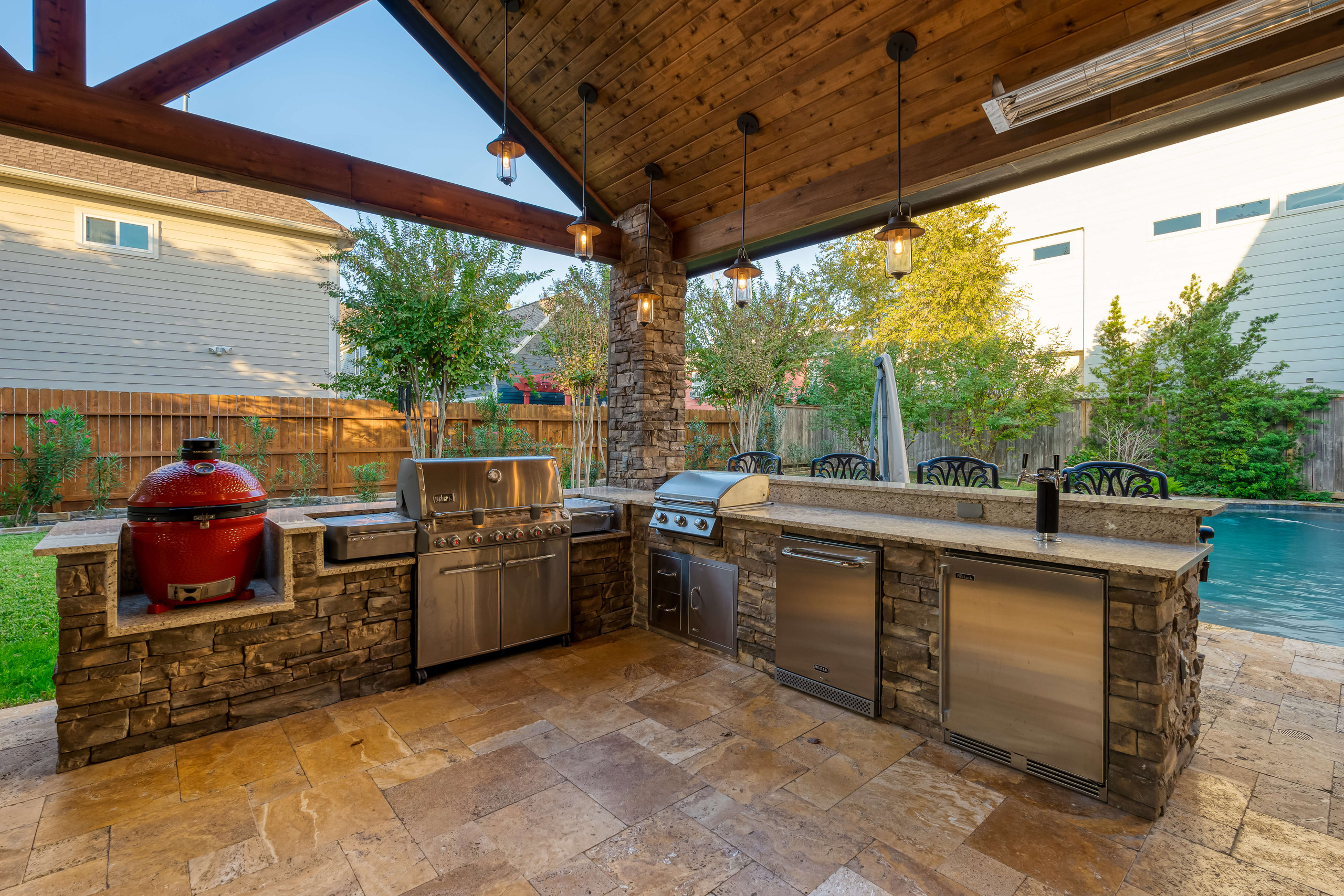
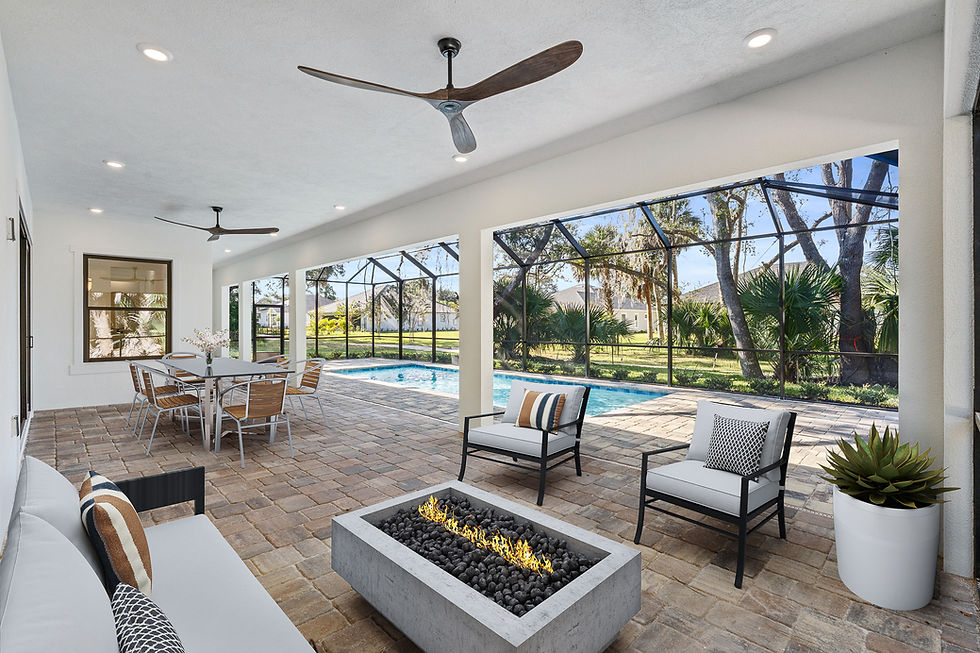
Landscaping isn’t just about the greenery; it’s also very much about the "hard" elements – the patios, pathways, retaining walls, and even decorative rocks. These hardscaping features provide structure, define spaces, and are often the backbone of your outdoor design. A well-designed patio, for instance, can instantly create an outdoor living room, expanding your usable space and making your home feel larger. Imagine alfresco dinners on a beautiful paved area, or a cozy bench nestled against a stone wall.
When selecting materials, think about durability, local availability, and how they complement your home’s architecture. Natural stone, pavers, and even gravel can add texture and visual interest. Hardscaping can also solve practical problems, like creating level areas on sloped sites with retaining walls or guiding foot traffic away from delicate plantings with pathways. Investing in quality hardscaping early on will not only enhance the beauty of your yard but also significantly improve its functionality and longevity, adding tangible value to your property.
Rome wasn’t built in a day, and neither is a truly magnificent landscape. It’s completely okay, even advisable, to approach your landscaping project in phases. This allows you to spread out the cost and the effort, and also gives you time to see how your initial plantings settle in. Start with the most impactful areas, like the front yard and a primary outdoor living space, then gradually expand to other zones as your budget and time allow. Maybe this year you focus on the foundation plantings and a small patio, and next year you tackle a vegetable patch or a more elaborate water feature.
Crucially, think about maintenance from the very beginning. A sprawling, intricate garden might look stunning in a magazine, but if you don’t have the time or inclination to care for it, it will quickly become a burden. Design for ease. Choose drought-tolerant plants, consider mulching to suppress weeds and retain moisture, and install efficient irrigation systems if needed. Remember, a beautiful landscape is a living thing, and it will require ongoing care. Planning for realistic maintenance ensures your outdoor haven remains a source of joy, not a never-ending chore.
Embarking on your new home’s landscaping journey is an exciting prospect, a real opportunity to shape your personal outdoor sanctuary. By taking these smart steps – planning thoroughly, understanding your site’s unique characteristics, prioritizing key areas, choosing plants wisely, integrating practical hardscaping, and planning for the long haul – you’re not just planting flowers. You’re cultivating value, creating cherished spaces, and making your new house truly feel like a home. It’s an investment that pays dividends in both enjoyment and equity for many years to come, long after 2026. So, go ahead, get started on building that outdoor dream, one thoughtful step at a time.