
Ever looked out at your backyard and felt like something was missing. Maybe there is a patch of grass that’s completely worn down from the kids running back and forth, or a muddy spot that you dread crossing after it rains. A great walkway completely changes how your yard feels, drawing the eye forward and making the whole space look put together.
But if you have ever priced out professional stone masonry, you know how quickly those estimates can skyrocket into the thousands. The good news is that you absolutely do not need a massive bank account to create a stunning walkway. With a little sweat equity and some smart material choices, you can build a path that looks premium for a fraction of the cost.
The Magic of Free and Cheap Mulch
Wood chips and mulch are about the easiest materials to work with when you are on a tight budget. If you talk to local tree trimming services, they often have extra wood chips they need to get rid of and will sometimes drop them off at your house for free. It keeps waste out of landfills and gives you a soft, natural walkway that blends right into the trees and flowers.
To do this right, you want to dig down just a couple of inches so your mulch stays contained. Laying down a layer of landscape fabric underneath is a smart move because it stops weeds from popping up through your hard work. It creates a cozy, woodland vibe that feels amazing underfoot and smells fantastic after a fresh summer rain.
Gravel and Pea Stone Essentials
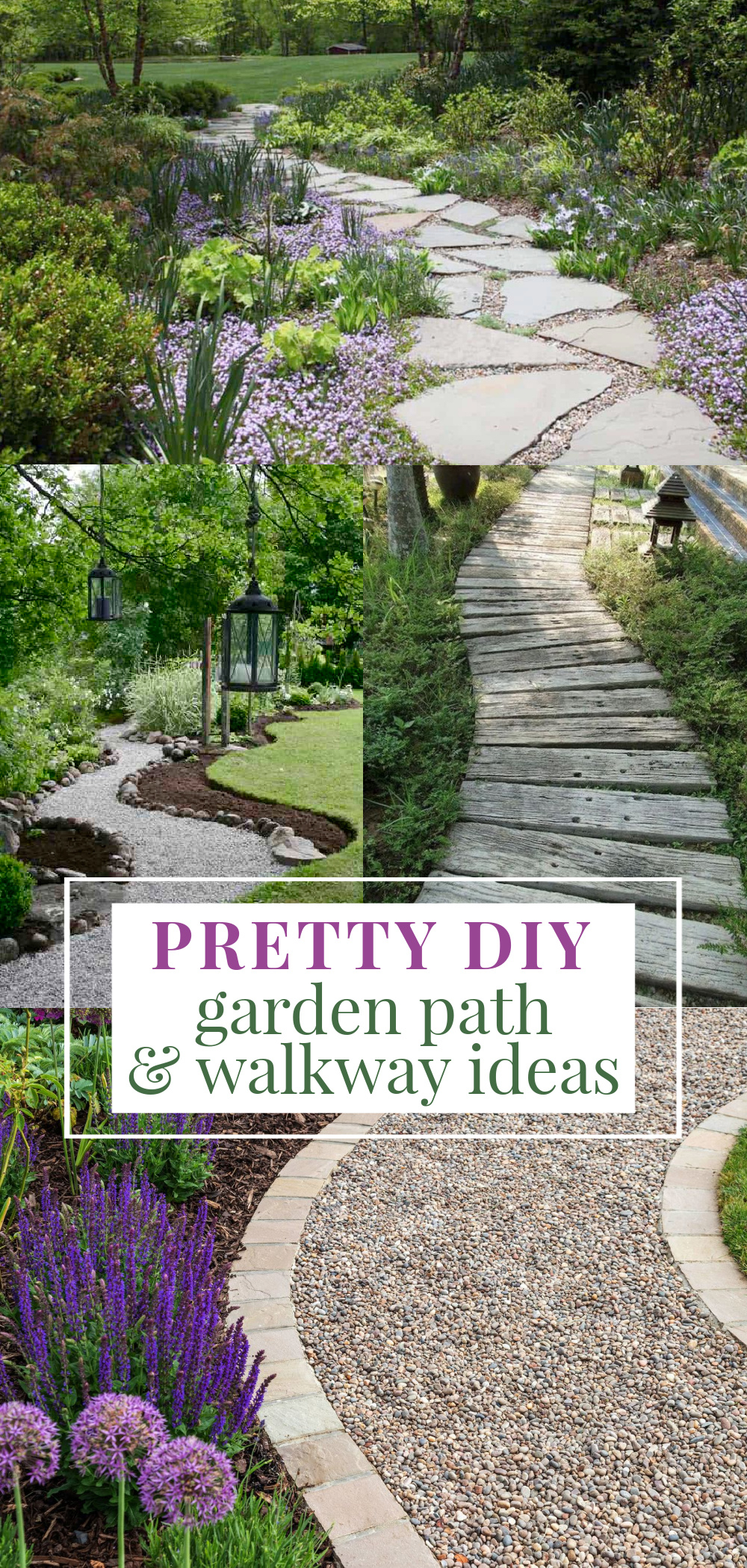
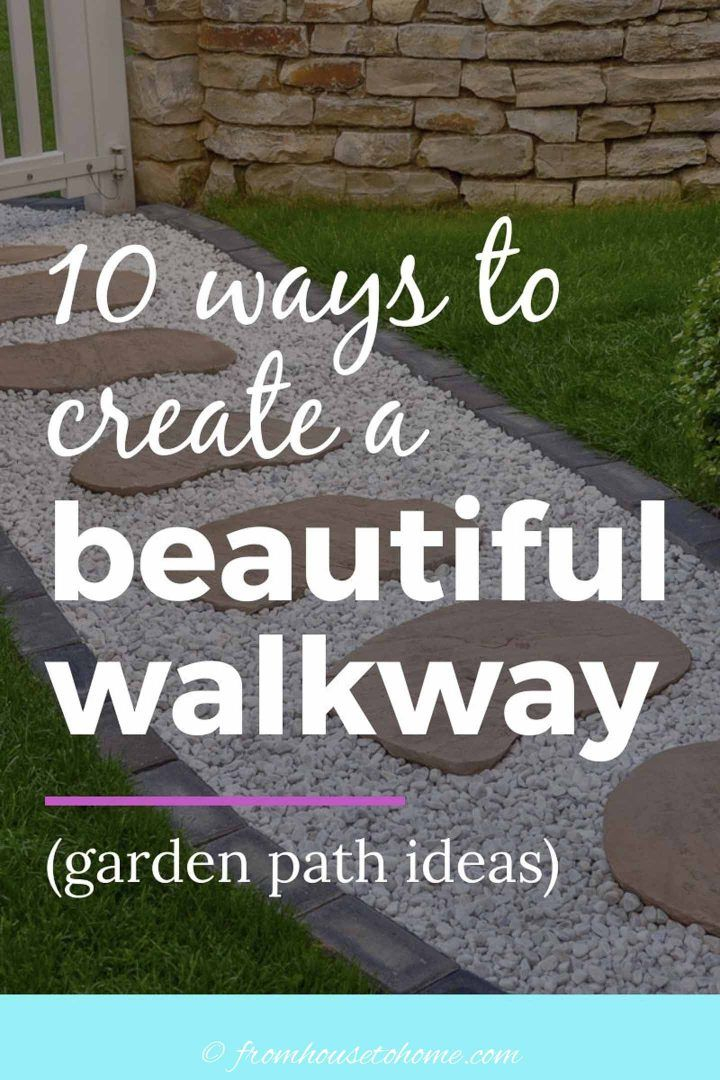
If you want something a bit more permanent but still incredibly affordable, gravel is your best friend. Pea gravel consists of tiny, smooth stones that feel great to walk on and give a satisfying crunch sound whenever you step. It is highly versatile and fits into almost any yard style, from a modern geometric setup to a loose country cottage look.
The trick to a great gravel walkway is keeping the stones where they belong. Using cheap plastic edging or even old bricks flipped on their side will keep the rocks from migrating into your lawn. Plus, water flows right through it, so you never have to worry about puddles forming on your path.
Stepping Stones Made from Scratch
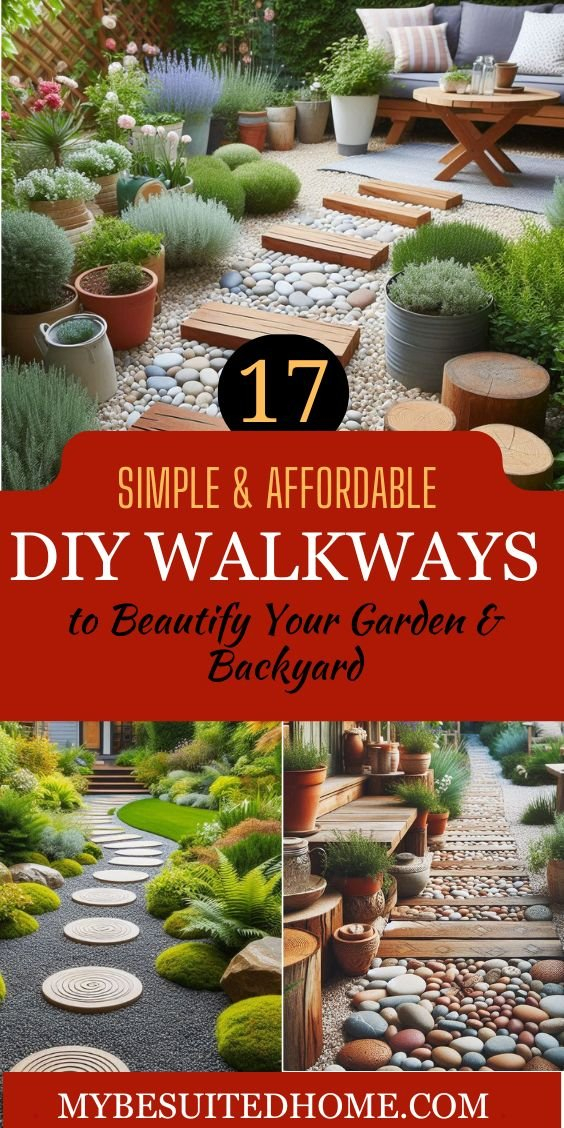
Stepping stones offer a timeless look, but buying dozens of them from a big box store adds up fast. Instead, you can make your own unique pavers using quick-setting concrete and plastic molds from a craft store, or even old cake pans. You can even mix in small pebbles, sea glass, or leaf prints to give them a truly custom, artistic touch.
When placing your stepping stones, make sure to space them according to your natural stride. You don’t want guests playing hopscotch just to get across your lawn. Dig a shallow hole for each individual stone so it sits flush with the ground, making it super easy to run your lawnmower right over the top without any issues.
Pallets and Reclaimed Timber
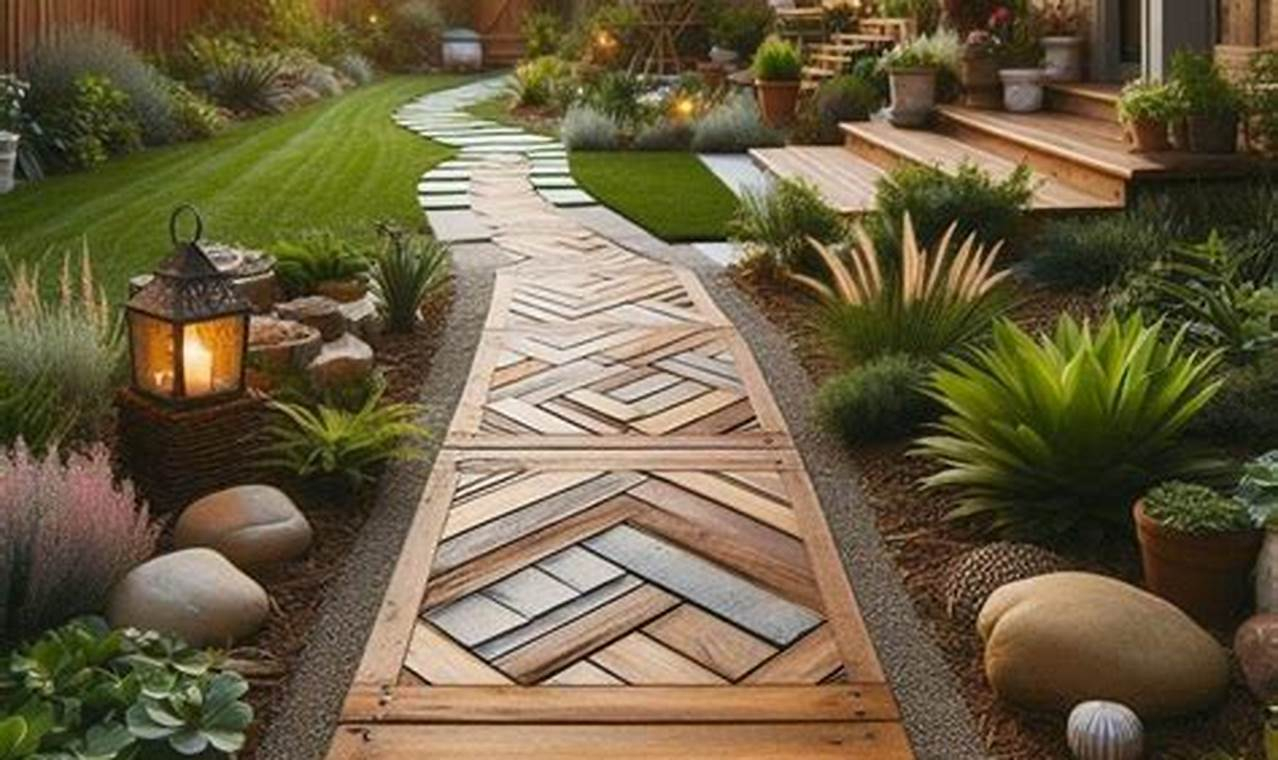
Wood pallets are everywhere, and people are frequently giving them away online for absolutely nothing. With a pry bar and a little patience, you can take them apart and use the wooden planks to construct a gorgeous, rustic boardwalk style path. This works incredibly well in damp areas or places where the ground is a bit uneven.
Before you lay the wood down, it is a good idea to treat it with a basic weather sealant so it doesn’t rot away after one winter. You can lay the planks horizontally across two long guide rails for a clean, structural look that brings a touch of beachside boardwalk charm right to your back door.
Brick and Paver Salvage Hunts
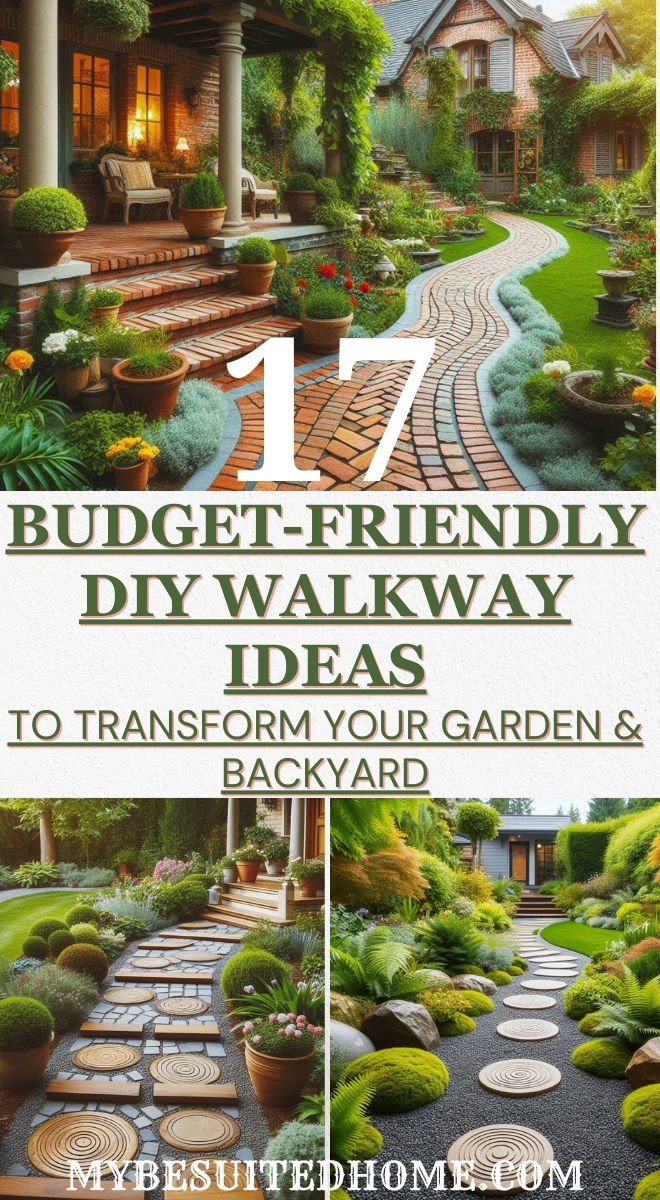
New bricks are pricey, but old, used bricks have so much more character anyway. People frequently remodel patios or tear down old chimneys and post listings online offering free bricks to anyone willing to haul them away. A mismatched collection of old bricks can be arranged in a beautiful herringbone or basketweave pattern.
Building a brick path is like putting together a giant puzzle. You will want a nice, flat base of packed sand to nestle the bricks into so they stay level over time. Once they are all in place, sweep extra sand into the cracks between them to lock everything together tightly.
For a look that feels completely integrated with nature, consider creating a living path. Instead of solid stone or wood, you use low-growing, durable groundcovers like creeping thyme or Irish moss. These plants are tough enough to handle occasional foot traffic and fill the air with a beautiful herbal scent whenever you step on them.
You can combine this idea with a few scattered flat stones, leaving wide gaps between them for the greenery to fill in. Over the seasons, the plants will spread out, creating a lush, soft carpet that softens the hard lines of your yard and requires almost no mowing.
Choosing the right look for your yard doesn’t have to be a stressful, expensive ordeal. Whether you choose the rustic charm of reclaimed wood, the clean crunch of pea gravel, or the natural beauty of a mulch trail, the best path is the one that gets you out enjoying your outdoor space.
Take a weekend to map out your route with a garden hose to see how the curves feel before you start digging. By taking your time and sourcing cheap or free materials locally, you will end up with a gorgeous feature that adds serious value and joy to your home.