
Walking down a city street, you notice how a single patch of green can completely change the mood of a grey block. It makes you pause.
We often think we need massive yards to create something breathtaking. But tiny front plots present their own unique charm, and space limitations actually force us to get creative.
Choosing the Right Plants for Tiny Footprints
When every square inch matters, standard shrubs just won’t cut it. You want specimens that pull their weight through multi-season interest, offering spring blooms, summer foliage, and autumn texture. Think of dwarf conifers, weeping grasses, and compact perennials that stay well-behaved without constant hacking.
Columnar varieties are your secret weapon here. Instead of spreading wide and swallowing your walkway, plants like columnar yews or slender fruit trees grow straight up, drawing the eye skyward. This creates a lush, abundant feeling without blocking your path or your window view.
Mastering Vertical Space and Living Walls
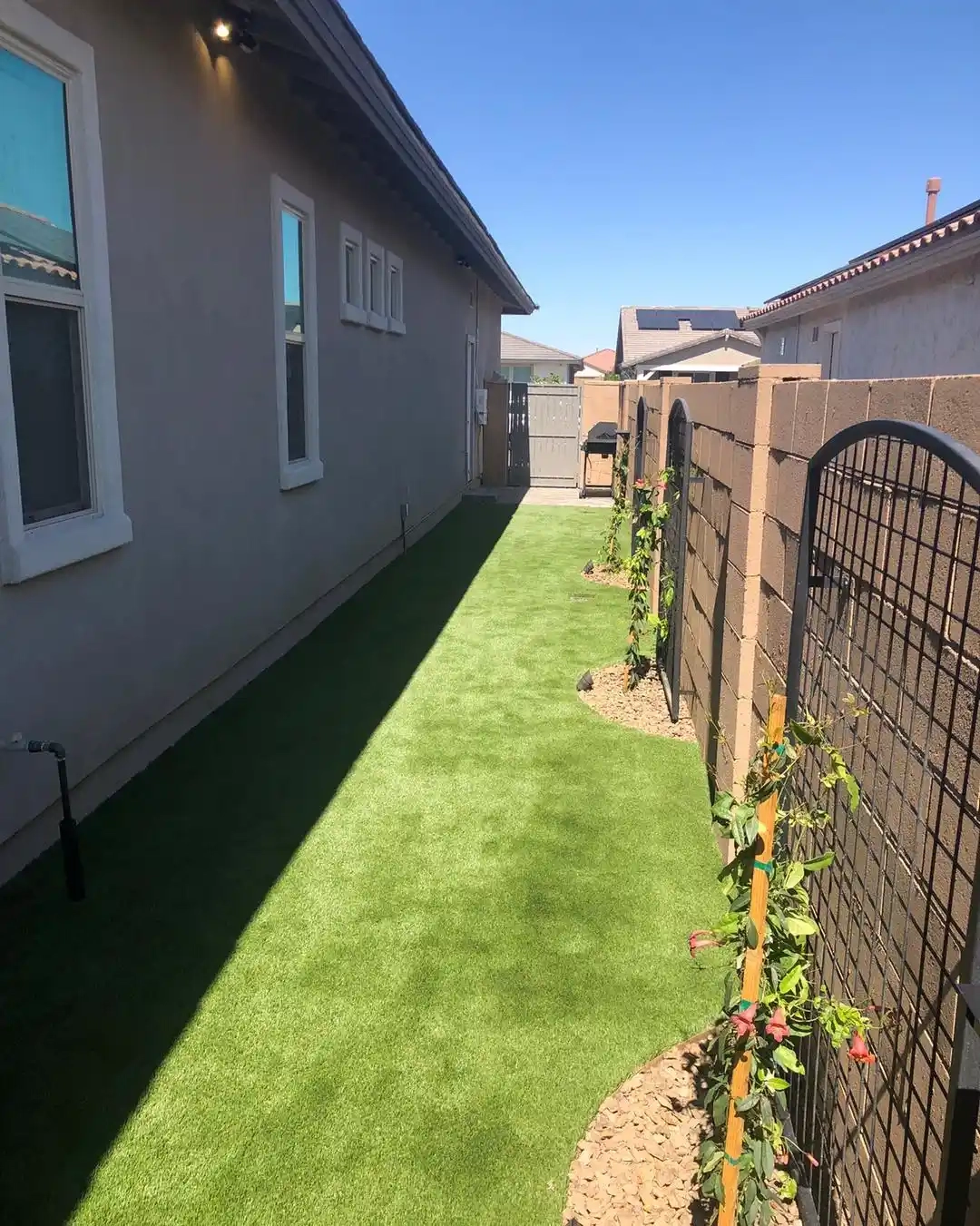
Ground level is precious real estate, so why stop there. Fences, blank brick walls, and porch posts are untapped canvases waiting for a bit of green life. Trellises and wall-mounted planters let you build upward, adding layers of depth that make a postage-stamp plot feel surprisingly expansive.
Climbing vines like star jasmine or small-leafed ivy can soften hard architectural edges in no time. If you prefer low-maintenance options, hanging baskets or modular pocket planters filled with trailing succulents bring instant color right at eye level, transforming a flat facade into a living tapestry.
Layering Textures and Foliage
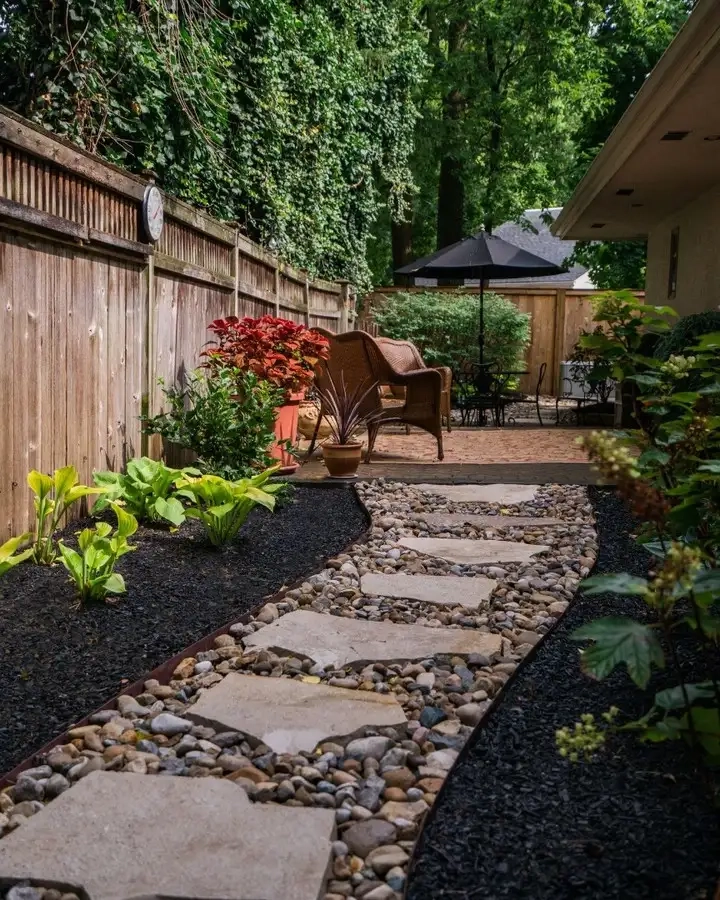
People often obsess over flower colors, but blooms fade fast. Foliage is where the real magic happens. By mixing different leaf shapes—like pairing the delicate fronds of ferns with the bold, rounded pads of hostas—you build visual richness that lasts all year round.
Contrast is everything in a pint-sized plot. Try setting dark purple heucheras next to bright chartreuse grasses to create instant drama. This trick plays with perception, tricking the brain into seeing depth and complexity where there is actually very little physical room.
Smart Containers and Clever Layouts
Fixed beds aren’t your only choice. Pots and troughs give you total freedom to rearrange your layout as seasons shift or plants mature. Cluster pots of varying heights together to create a focal point, using lightweight fiberglass or resin containers so you can move them easily.
Grouping containers also helps retain moisture and creates microclimates that protect delicate roots. Mix in unexpected elements like a vintage watering can or a small stone lantern to add personality, turning a collection of pots into a curated art installation right outside your front door.
Designing for All-Season Interest
A great micro garden shouldn’t just look good for two weeks in May and give up. Plan your layout so something is always happening, whether it is early bulbs poking through the soil, vibrant summer perennials, or winter-blooming heather and textured bark.
Evergreens form the structural backbone that keeps the space from looking bare when winter rolls around. Add in a few stems with bright winter berries or colorful twigs, and your tiny entryway stays cheerful even on the gloomiest days of the year.
Let’s be honest, nobody wants to spend their entire weekend weeding a patch the size of a postage stamp. Smart planting means choosing tough, resilient varieties that suppress weeds naturally by forming a tight, living carpet over the soil.
Group plants with similar watering needs together so you can set up a simple drip irrigation system or knock out your chores in minutes with a watering can. Mulching heavily between plants also locks in moisture and keeps things looking neat and tidy with minimal effort.
Creating a stunning entry area doesn’t require acres of land or an army of landscapers. By thinking vertically, choosing the right species, and playing with textures, even the smallest concrete strip can become a source of daily joy.
Take a good look at your own entryway today and imagine what a single well-placed planter or climbing vine could do. Small changes really do add up to make a massive difference in how your home feels to you and everyone who walks by.