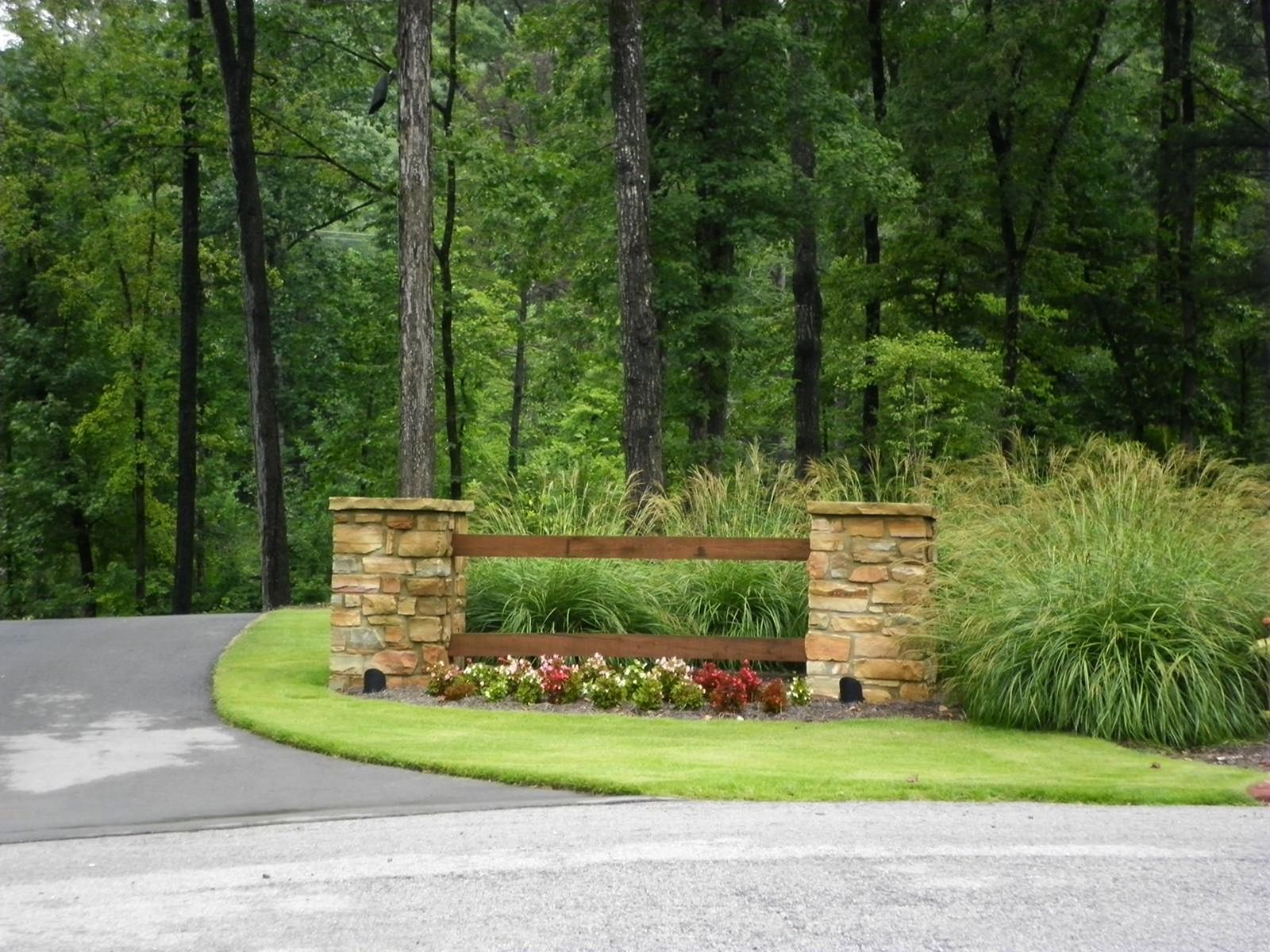

Think about the last time you visited a friend’s house. What was the very first thing you noticed? Was it the peeling paint on the door frame? The dark, unlit path leading up to the steps? Or maybe it was the smell of pine needles and the soft glow of a lantern that made you feel like you were already home before you even knocked. Our front doors are more than just barriers against the weather. They are the handshake of our homes. A firm, warm, genuine handshake.
In 2026, we’re seeing a shift away from seasonal overload. You know the drill—pumpkins in October, plastic turkeys in November, tacky lights in December, and then… nothing. Just a bare, lonely door staring back at you for three months. That’s not welcoming. That’s neglect. The goal isn’t to decorate for every single holiday on the calendar. It’s to build a foundation that works hard all year round, so you only need to tweak a few small things to keep the vibe right. It’s about consistency. It’s about soul.
Let’s be honest. Life gets busy. We don’t have time to redesign our porch every four weeks. But we do want our guests to feel special. Whether it’s a delivery driver dropping off a package in the rain or your best friend coming over for Sunday brunch, that entrance sets the tone. It tells a story before anyone says a word. So, how do we get it right? How do we make sure that when someone walks up your path, they feel invited, safe, and excited to see what’s inside? It starts with looking at the bones of the space. Not the decorations. The bones.
Building the Unshakeable Foundation
Before you buy a single wreath, look at the hardware. I mean really look at it. Is the handle loose? Does the lock stick? These tiny annoyances subconsciously tell a guest that the home is tired. In late 2025, industry experts pointed out that upgrading entry doors isn’t just about curb appeal for real estate listings; it’s about energy efficiency and that crucial first impression. A drafty door lets the cold in, literally and figuratively. If your door is warped or the glass is foggy, no amount of floral arrangement will fix the chill. Start here. Tighten the screws. Oil the hinges. If the budget allows, a fresh coat of paint in a bold, confident color can change everything. Black is classic. Navy is calming. A deep red says energy. Pick a color that speaks to you, not just what’s trending on social media.
Lighting is the next pillar. And please, avoid the harsh, blue-tinted bulbs that make your porch look like a interrogation room. Warm light is key. It mimics the sunset. It relaxes the eyes. Think about layering your light sources. You need overhead lighting for safety, sure. But add sconces on either side of the door if you can. Or better yet, place lanterns on the steps. This creates depth. Shadows are good. They add mystery and warmth. In the darker months of the year, having a well-lit path is a gesture of care. It says, "I saw you coming, and I prepared the way." That’s powerful stuff. Don’t underestimate the power of a simple timer or a motion sensor that dims rather than blasts bright white light. Subtlety wins.
Finally, consider the approach. The driveway and the walkway. Are they cracked? Weedy? Clean them up. Mulch is your best friend here. A fresh layer of dark mulch frames the plants and makes the colors pop. It’s cheap, easy, and instantly tidy. Ensure the path is clear of obstacles. Tripping hazards are the opposite of welcoming. If you have steps, make sure the edges are visible. A little strip of reflective tape or a contrasting paint color on the edge can save a stumble. It’s practical, but it also shows you pay attention to detail. Guests notice when a host has thought about their comfort and safety. It builds trust immediately.
The Art of the Evergreen Anchor
Now that the stage is set, let’s talk about the stars of the show. Many people think wreaths are only for Christmas. This is a huge mistake. As designer Canada noted in interviews that still hold true today, wreaths work year-round. The trick is choosing the right materials. Plastic holly berries scream "December 25th." Avoid them if you want longevity. Instead, go for texture. Boxwood. Eucalyptus. Dried lavender. Magnolia leaves. These elements look good in July and they look good in January. They age gracefully. A lush, green boxwood wreath is timeless. It signals life, even when the rest of the garden is sleeping.
Topiaries are another fantastic anchor. Two symmetrical pots flanking the door create a sense of order and grandeur. But they don’t have to be stiff or formal. Choose plants that thrive in your specific climate. If you live in a hot zone, citrus trees in pots smell amazing and look vibrant. In colder climates, dwarf spruces or junipers can handle the freeze. The key is scale. Make sure the pots are big enough. Tiny pots next to a large door look skimpy and insecure. Go big or go home, literally. Heavy, substantial containers ground the entrance. They feel permanent. They say, "I belong here."
Don’t forget the floor beneath your feet. The doormat is often an afterthought, but it’s the first thing people step on. Ditch the frayed, faded rectangle. Get something durable and stylish. Coir mats are great for scraping mud. Rubber-backed ones stay in place. You can even layer them. A larger, neutral natural fiber mat underneath a smaller, patterned one adds visual interest. And keep it clean. A dirty mat suggests you don’t care about what’s being tracked into your home. Flip it, shake it, hose it off. It’s a small effort for a big impact. Remember, the goal is to create a vignette that looks intentional, not accidental.
Swapping Scripts with the Seasons
Okay, so you have your evergreens. Your lights are warm. Your door is shiny. Now, how do you acknowledge the changing world outside without redecorating from scratch? You swap scripts. Think of your entrance as a theater stage. The set stays the same, but the props change. In spring, tuck some fresh tulip stems into the base of your topiary pots. Or hang a lightweight linen ribbon on your wreath. Pastel colors. Soft textures. It’s about waking up. The air is getting warmer, and your door should reflect that lightness. It’s a gentle nudge to guests that winter is over.
Summer is about abundance and vibrancy. This is when you can bring in more color. Swap the linen ribbon for a bold cotton one. Add a pot of geraniums or petunias near the steps. These annuals are cheap and cheerful. They burst with color and don’t require much maintenance. If you have a chalkboard sign, as suggested by DIY enthusiasts, this is the perfect time to write a cheerful "Hello Summer" or let the kids draw suns and flowers. It’s playful. It breaks the ice. People smile when they see handwriting. It feels human. It feels personal. In a world of digital screens, a handwritten note on a wooden slice is a breath of fresh air.
Autumn brings a return to earth tones, but try to avoid the cliché plastic pumpkins. Use real gourds. Stack them casually. Add dried wheat stalks or corn husks to your wreath. The texture of dried botanicals is incredibly rich. It catches the low autumn light beautifully. As the days get shorter, increase the intensity of your lighting. Maybe add a candle (flameless, for safety) inside your lanterns. The flicker mimics fire. It draws people in. It’s primal. We are drawn to fire and light. Use that instinct. Make your porch a beacon in the growing dusk. It’s cozy. It’s inviting. It says, "Come in out of the cold."
Winter Warmth and Texture
Winter is the hardest season to style. Everything is dead or dormant. The sky is gray. But this is where your evergreen foundation pays off. Those boxwood wreaths and spruce topiaries? They are now the heroes. They provide the only color in a monochrome landscape. Enhance them with texture. Add pinecones. Tuck in branches of red twig dogwood for a pop of natural color. Berries, if you can find them locally, add a feast for the birds and the eyes. The goal is to create contrast. Green against white snow. Red against gray bark. It’s visually striking.
Lighting becomes even more critical. Winter days are short. By the time most people get home from work, it’s dark. Your entrance needs to be a lighthouse. Check your bulbs regularly. Burnt-out lights are depressing. Consider adding string lights around the door frame or along the railing. Keep them warm white. Cool white feels clinical. Warm white feels like a hug. If you have glass panels in your door, leave a lamp on inside. Let the light spill out onto the porch. It creates a silhouette effect that is incredibly welcoming. It shows life inside. It shows activity.
Don’t ignore the practical side of winter. Ice and snow are dangerous. Keep a stylish basket of rock salt or sand nearby, but hide it when not in use. Shovel the path promptly. Nothing kills the welcome vibe like a guest slipping on black ice. If you live in a heavy snow area, consider heated mats for the steps. They are a luxury, yes, but they also prevent damage to your stone or wood from constant salting. It’s an investment in safety and longevity. And remember, winter is a time for stillness. Don’t clutter the space. Let the simplicity of the evergreens speak. Less is more.
The Personal Touch That Speaks Volumes
Design rules are important, but personality is essential. A perfectly styled porch can still feel cold if it lacks soul. How do you inject soul? Through personal artifacts. Do you love books? Stack a few weather-proof editions on a small side table. Do you love music? Hang a vintage instrument case (empty, unless you want it stolen). Do you have kids? Let them contribute. As mentioned earlier, a chalkboard sign is a great tool. Let them write messages. Draw pictures. It changes every week. It keeps the entrance dynamic. It shows that a family lives here. A happy family.
Plants are another way to show personality. If you are a succulent lover, showcase them. If you love herbs, grow rosemary and thyme in pots near the door. Guests can brush against them and smell the fragrance. It engages the senses. Sight is important, but smell and touch are powerful memory triggers. The scent of lavender or mint can trigger feelings of calm and welcome. It’s subtle, but it works. It lingers. When a guest leaves, they might not remember the color of your door, but they might remember how good your porch smelled. That’s a lasting impression.
Consider the sound, too. Wind chimes. A small fountain. The rustle of ornamental grasses. These sounds mask street noise. They create a buffer zone between the chaotic world and your peaceful home. They signal a transition. Crossing the threshold isn’t just physical; it’s mental. The sounds help guests shed the stress of the day. They slow down. They breathe. It’s a hospitality hack that costs very little but yields high rewards. Think about the experience of arriving. What do you want them to feel? Calm? Excited? Curious? Design for that emotion.
Here is the truth: design is not a one-time event. It’s a practice. You can’t set it and forget it. Maintenance is part of the welcome. Sweep the porch weekly. Wipe down the door. Dust the lanterns. Deadhead the flowers. It takes ten minutes. But those ten minutes keep the space feeling cared for. Neglect is visible. Dust accumulates. Cobwebs form in corners. Leaves pile up in gutters. These things signal decay. They make guests feel like an inconvenience. Like they are disturbing a slumbering giant. Keep it tidy. Keep it fresh.
Rotate your accessories. Even if you don’t change the whole theme, move things around. Swap the left pot with the right pot. Change the angle of the wreath. It keeps your own eyes fresh, too. If you are bored with your entrance, your guests will be too. Stay engaged with the space. Walk out there every morning. Look at it with fresh eyes. What looks off? What looks tired? Fix it. Replace the burnt bulb. Fluff the wreath. Straighten the mat. These micro-actions add up. They maintain the standard. They keep the promise of welcome alive.
And finally, be flexible. Life happens. Maybe you’re too busy to decorate for spring. That’s okay. Your evergreen foundation is still working. Maybe a storm knocks over a pot. Replace it. Don’t let perfectionism paralyze you. The goal is connection, not magazine covers. A slightly messy porch with a warm light and a smiling host is better than a pristine, sterile entrance with no heart. Aim for "lived-in lovely." Aim for authentic. That’s what people remember. That’s what brings them back.
So, take a look at your front door today. Really look at it. What is it saying? Is it whispering "go away"? Or is it shouting "welcome home"? With a little attention to the bones, a commitment to evergreen anchors, and a dash of personal flair, you can transform that slab of wood into a gateway of warmth. It doesn’t require a massive budget. It requires intention. It requires care. And in the end, isn’t that what hospitality is all about? Caring enough to make someone feel seen. Valued. Welcome. Start small. Start today. Your guests—and your home—will thank you.