
You know that feeling when you pull the cord on your old gas mower? That guttural sputter, the smell of exhaust hanging heavy in the air, and the slight panic that it might not start this time. We’ve all been there. For decades, that was just the price of admission for a neat lawn. But things have shifted. Quietly. Literally.
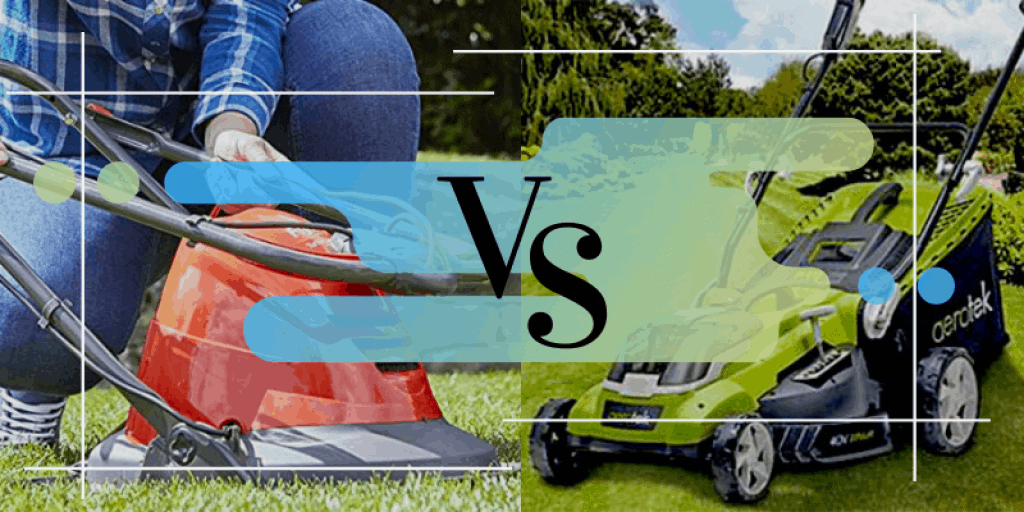
It’s 2026, and the conversation around lawn care isn’t just about cut quality anymore. It’s about what sits in your bank account at the end of the season. Sure, the sticker shock of a battery-powered rig can make you wince. I get it. Seeing a price tag that’s a few hundred dollars higher than the gas model next to it feels wrong. But here is the thing most people miss: the price tag is just the beginning of the story. The real cost happens every single time you mow. And when you do the actual math, the electric option often leaves the gas guzzler in the dust. Let’s dig into the numbers, shall we?
The Sticker Shock Myth
Let’s address the elephant in the room first. Upfront cost. If you walk into a hardware store today, you’ll likely see a decent gas push mower for maybe $300 or $400. A comparable battery-electric model? It might sit closer to $500 or $600. For riding mowers, the gap is even wider, sometimes exceeding $1,000. It’s easy to stop looking right there. Your brain says, "Save the cash now."
But that’s a trap. That initial savings is an illusion. Think of it like buying a cheap printer that uses expensive ink cartridges versus a pricier printer with cheap ink. The gas mower is the cheap printer. You pay less at the register, but you are signing up for a lifetime of feeding it. The electric mower asks for more commitment upfront, but it stops asking for money once you take it home. Well, mostly. You’re paying for the technology, the battery tech has gotten way better in the last few years, and the build quality. You aren’t just buying a mower; you’re buying an end to the weekly tribute you pay to Big Oil.
Consider the resale value too. In 2026, the market for used gas equipment is shrinking. People are wary of old engines that might need carburetor work or have emission issues. Electric mowers, especially from top brands, hold their value surprisingly well because the battery health is easier to verify and the motors rarely fail. So, when you eventually upgrade or sell, you might recoup more of that initial "premium" than you think. It’s not just spending; it’s asset management. Weird, right? Thinking of a lawnmower as an asset. But hey, every dollar counts.
Fueling the Fire vs. Plugging In
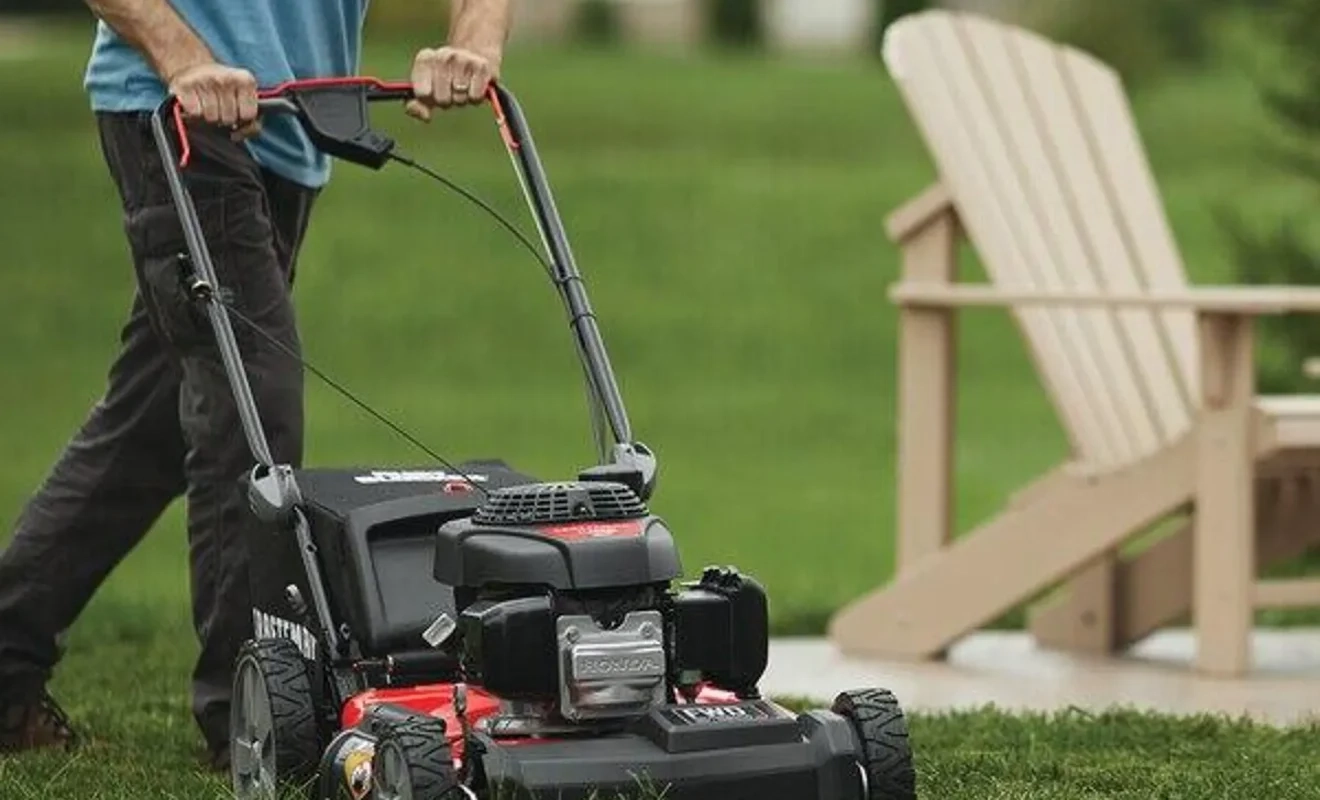
Here is where the rubber meets the road. Or rather, where the blade meets the grass. Gas prices have been a rollercoaster, but let’s be real—they aren’t getting cheaper in the long run. A typical gas mower burns through fuel faster than you’d expect. If you have a half-acre lot, you might spend $30 to $50 a season just on gasoline. Sounds small? Multiply that by ten years. That’s $300 to $500 gone. Poof.
Now look at electricity. Charging a battery takes pennies. Seriously. Data from recent analyses shows that for the same amount of mowing tasks that cost around $3,200 in fuel for commercial-grade usage over a lifespan, an electric model might only cost $108 in electricity. Even for a standard homeowner, the difference is stark. You’re looking at maybe $5 to $10 a year in charging costs. Over a decade, that’s barely enough to buy a nice dinner.
And it’s not just the fuel itself. It’s the hassle. No more trips to the gas station. No more storing flammable liquids in your shed (which is a safety hazard, by the way). No more dealing with stale gas that gums up the engine after winter. You just plug it in. Maybe you have solar panels on your roof, in which case, your fuel is literally free sunlight. That’s a level of savings gas can never touch. It’s convenient, sure, but it’s also deeply economical. The simplicity of plugging in saves you time, and time is money too. Don’t forget that part.
The Maintenance Money Pit
If fuel is the steady drip of cost, maintenance is the occasional flood. Gas engines are complex. They have spark plugs, air filters, oil, oil filters, carburetors, and belts. Every season, you need to change the oil. Maybe twice if you use it a lot. You need to replace the spark plug. Clean the air filter. Sharpen the blade (which you should do for electric too, but let’s focus on the engine).
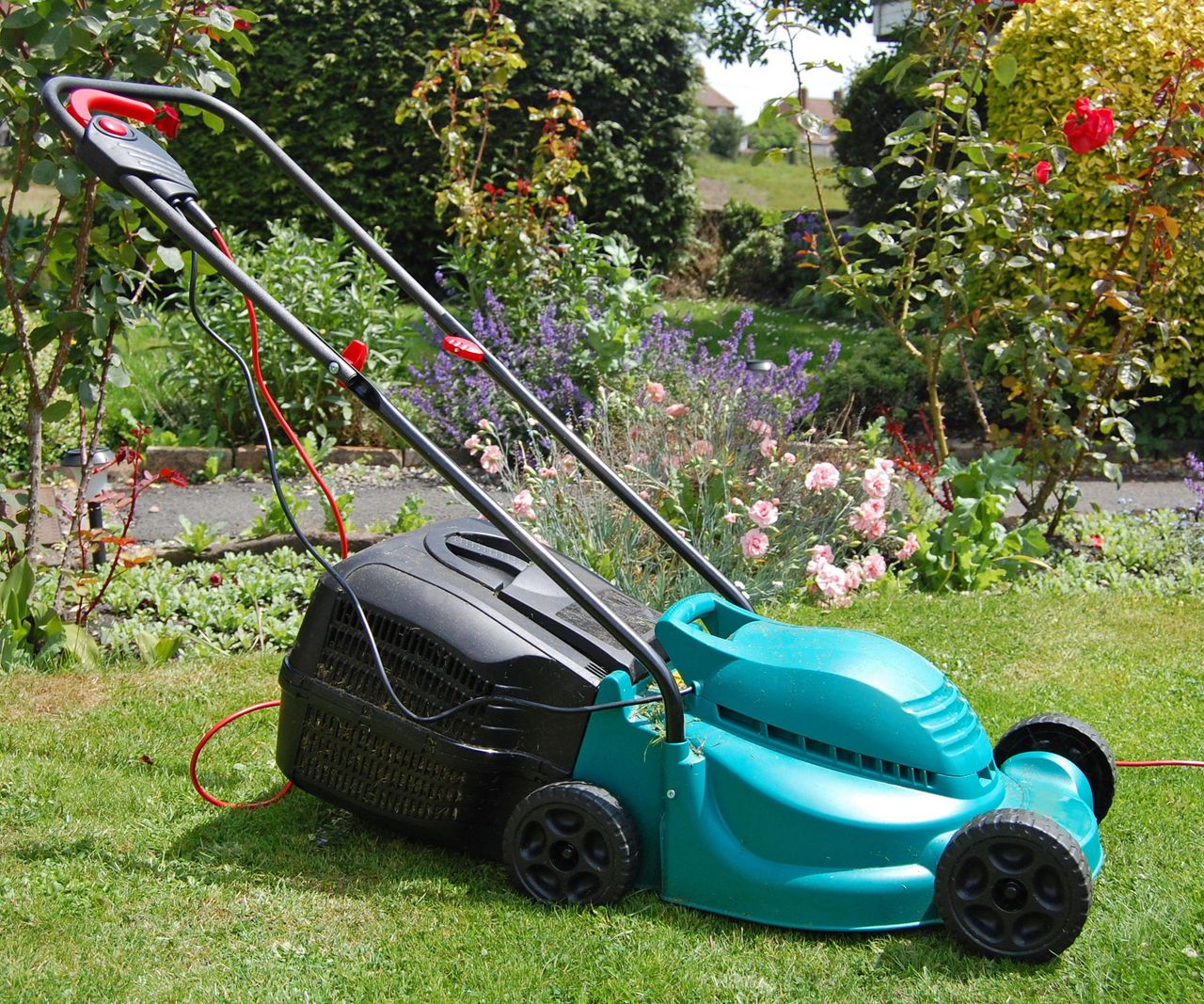
Then there’s the big stuff. Carburetors clog. Starters fail. Head gaskets blow. A single repair bill can easily hit $150 or $200. If your engine dies completely after seven years, you’re buying a whole new mower. Electric mowers? They have basically one moving part: the motor. And those brushless motors are incredibly durable. There is no oil to change. No spark plugs to foul. No air filters to clean.
Your main maintenance cost is the battery. Yes, batteries degrade. But in 2026, lithium-ion tech is solid. Most reputable brands offer batteries that last 5 to 7 years with regular use. Replacing a battery might cost $150 to $200. Compare that to a $400 engine rebuild or a new gas mower. Plus, you don’t need to pay a mechanic to swap a battery. You just click it out and click a new one in. It’s user-serviceable. That autonomy saves you labor costs, which are skyrocketing everywhere else. Keep your tools simple, and your wallet stays happy.
The Hidden Costs of Noise and Health
We don’t usually put a price tag on peace and quiet, but maybe we should. Gas mowers are loud. Like, really loud. 90 decibels or more. That’s damaging to your hearing over time. It’s annoying to your neighbors. It’s stressful. Many communities in 2026 are implementing stricter noise ordinances. Some are even banning gas-powered leaf blowers and mowers during certain hours. If you get fined, or if you have to hire someone else because you can’t mow at 7 AM on Saturday, that’s a cost.
Electric mowers are whisper-quiet. You can mow early in the morning or late in the evening without waking the baby or angering the guy next door. This flexibility has value. It means you can fit mowing into your schedule when it’s convenient, not when the noise laws allow. It reduces stress. And let’s talk about health. Breathing in exhaust fumes while pushing a mower isn’t great. Carbon monoxide, unburned hydrocarbons—it’s nasty stuff. Electric mowers produce zero emissions at the point of use.
Think about the long-term health implications. Fewer respiratory issues. Less noise-induced stress. It’s hard to quantify this in dollars, but ask anyone who has switched. They talk about the "calm" of mowing. That mental clarity? It’s priceless. But if you had to put a number on avoiding a hearing aid or a breathing treatment later in life, the electric mower starts looking like a bargain. It’s an investment in your well-being, not just your lawn. And honestly, isn’t that worth something?
The Rise of Robotics and Automation
We can’t talk about 2026 without mentioning robots. AI-driven robotic mowers have come down in price and up in capability. They aren’t just for rich tech bros anymore. Entry-level models are competitive with high-end push mowers. Yes, the upfront cost is higher—maybe $1,500 to $3,000. But consider the labor. You don’t mow. The robot does it. Daily. Tiny clippings. Mulched back into the soil.
This changes the economics entirely. You save hours every week. What is your time worth? If you value your weekend at even $20 an hour, and you save two hours a week for 20 weeks, that’s $800 a year in reclaimed time. Over five years, that’s $4,000. The mower pays for itself in time alone. Plus, robotic mowers are electric. So you get all the fuel and maintenance savings mentioned earlier.
They also promote healthier lawns. Frequent, small cuts mean no clumps of grass. Better mulching. Less fertilizer needed because the clippings decompose quickly. So you save on lawn care products too. It’s a holistic saving. The tech is smart enough to avoid obstacles, handle slopes, and even learn your yard’s layout. It’s not just a gadget; it’s a labor replacement. And in an economy where labor is expensive, replacing your own sweat equity with a silent robot is a pretty sweet deal. Check the specs though, not all robots are created equal.
Making the Switch: Practical Tips for 2026
So, you’re convinced. Or at least, you’re curious. How do you make the switch without regretting it? First, assess your yard. Size matters. If you have a tiny urban plot, a small battery push mower is perfect. If you have acres, look at riding electrics or robust robotic systems. Don’t under-buy. Nothing kills the electric experience faster than running out of battery halfway through the job.
Second, look at the battery ecosystem. Buy into a brand that makes other tools. Ryobi, Ego, Milwaukee, DeWalt—they all have huge lines of leaf blowers, trimmers, and chainsaws that use the same batteries. This is key. You buy one or two extra batteries, and suddenly your whole yard toolkit is cordless. You save money by not buying separate chargers and batteries for each tool. It’s a platform play. Smart shoppers build a system, not just a single purchase.
Finally, check for rebates. In 2026, many states and local utilities still offer incentives for switching to electric outdoor power equipment. It’s part of the broader push for cleaner air. You might get $100 or $200 back just for buying the right mower. It lowers that upfront sting significantly. Do a quick search for "electric mower rebate [your state]" before you buy. It’s free money sitting there. Take it. And remember, start small if you’re nervous. Try a push mower first. Dip your toe in. You’ll likely find the water is warm and inviting.
When you step back and look at the full picture, the choice becomes clear. Gas mowers are cheaper today, but expensive tomorrow. Electric mowers ask for more now, but give back over time. The savings on fuel are massive. The savings on maintenance are consistent. The added value of your time, health, and peace of mind is substantial. In 2026, sticking with gas feels like holding onto a flip phone in a smartphone world. It works, sure, but why would you?
The math supports the switch. Whether you go with a simple push mower or a high-tech robot, you are investing in a lower-cost future. You are opting out of the volatile fuel market and the unpredictable repair shop bills. You are choosing quiet over noise, clean air over exhaust, and simplicity over complexity. It’s not just about being green, though that’s a nice bonus. It’s about being smart with your money.
So, the next time you hear that gas mower cough and sputter, think about what it’s really costing you. Not just the $5 for the gas can. But the oil, the plugs, the noise, the time, the stress. Then imagine the quiet hum of an electric motor. The ease of pushing a button. The knowledge that you’re done, and you didn’t spend a fortune doing it. That’s the truth about long-term savings. It’s not magic. It’s just better engineering meeting common sense. And in 2026, that’s a combination that’s hard to beat. Go ahead, make the jump. Your wallet (and your ears) will thank you.