
Have you ever looked out at a tiny patch of grass in your backyard and felt a bit boxed in. It is a super common feeling. For decades, we have been told that every proper home needs a traditional green lawn, even if it is only the size of a postage stamp. But here is a fascinating secret from modern landscape design: that small patch of turf might actually be making your outdoor area look much smaller than it actually is.
When you stare at a flat, open rectangle of grass, your eyes can easily measure the entire space in a single glance. You instantly see exactly where the boundaries are, which accentuates the limits of your property. It is an optical trap. By rethinking the traditional yard structure in 2026, we can break those rigid visual lines and create an outdoor area that feels surprisingly grand.
The Problem with Big Expanses of Grass
When a yard is already tight, rolling out a big carpet of turf acts like a giant spotlight on your property lines. It frames the edges perfectly, telling your brain exactly where the fun stops. Landscape designers often note that massive blocks of a single texture—whether that is turf, heavy stone paving, or solid wood decking—create a stark backdrop that highlights small dimensions.
Instead of looking open, a small lawn just looks crowded the moment you add a single patio chair or a grill. It lacks depth. Because grass is flat, it offers absolutely nothing for your eyes to explore, making the physical walls or fences feel like they are closing in on you.
Creating Depth with Clever Negative Space
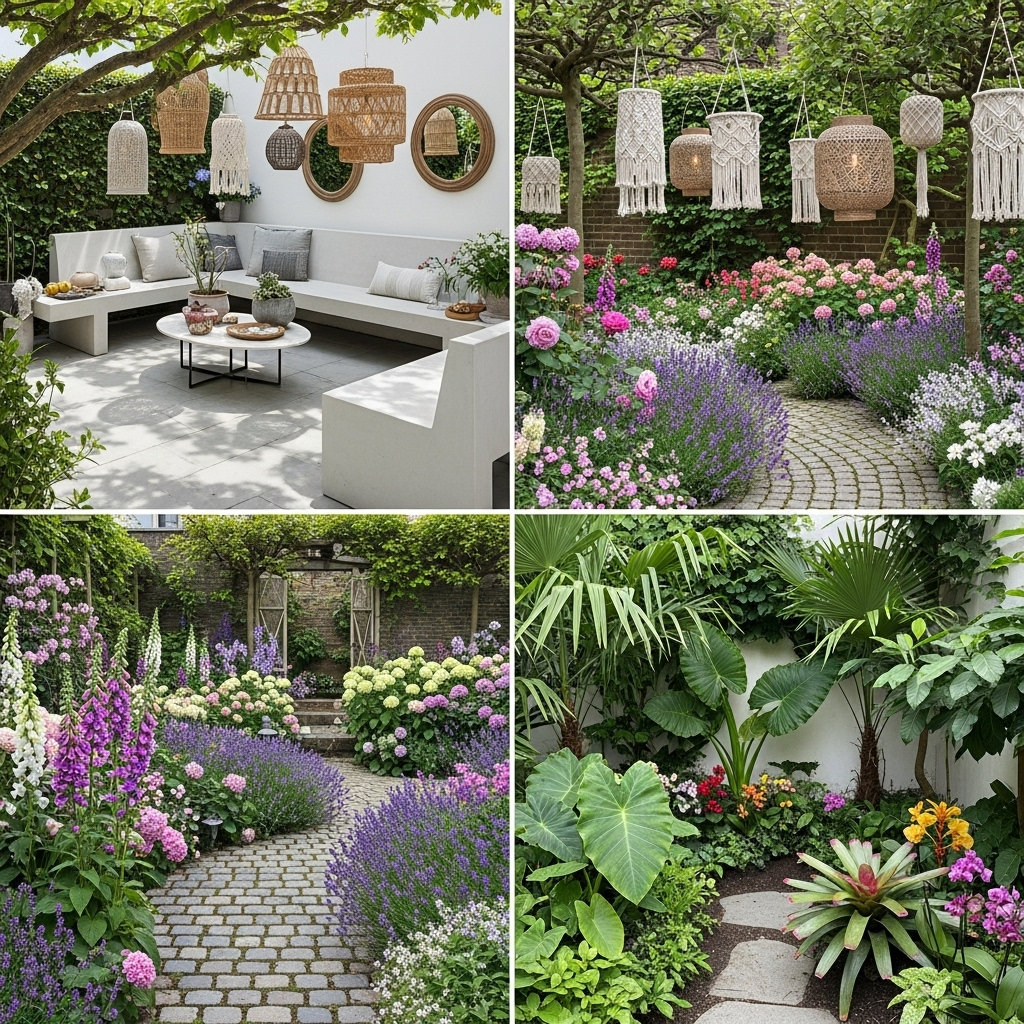
So, what should we do instead. The trick is to replace that dead weight of turf with intentional negative space and winding features. Think about carving out a generous, curved patio right near your back door and surrounding it with lush, layered plants. By cutting down the grass to less than half of the yard, you suddenly change the geometry of the whole place.
"A small space with a big feel happens when you blur the boundaries and give the eye a journey to travel."
When you expand your garden borders inward, you create pockets of mystery. Suddenly, a visitor cannot see every corner of the plot at once. Their eyes have to wander around a beautiful cluster of perennial flowers or a striking shrub to see what lies beyond, which naturally tricks the brain into thinking the area is much larger.
The Magic of Sightline Shifts and Winding Paths
Paths are an absolute game-changer for tiny courtyards and compact gardens. If you have a straight path running down a small yard, it acts like a runway, drawing attention straight to the back fence. But if you install a winding walkway made of stepping stones or gravel that disappears behind some tall foliage, you create an instant illusion of distance.
- Curve the edges: Avoid sharp 90-degree corners in your layout.
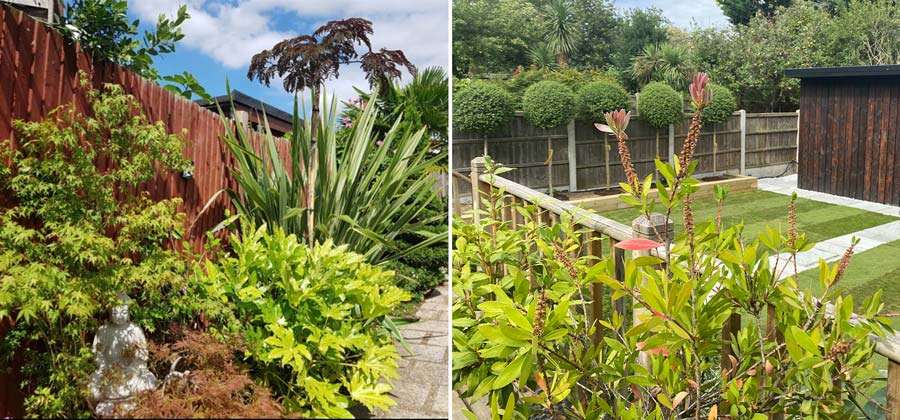
- Blur the perimeter: Plant taller shrubs against fences to hide the actual borders.
- Create destinations: Place a small bench or a birdbath at the end of a hidden path to draw people forward.
These subtle layout tweaks give the garden a sense of flow and breathing room. You don’t actually add any square footage, but every inch starts doing something incredibly clever.
Keeping Planting Bold and Striking
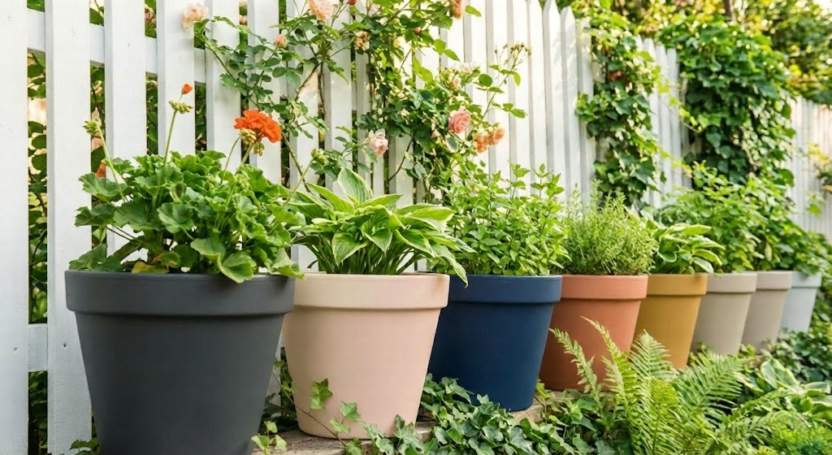
A common slip-up when trying to save space is buying tiny plants. People think small garden, small flowers, right. Actually, a bunch of tiny pots and cluttered little flowerbeds just looks messy and chaotic. It is much better to keep the layout simple and choose bold, striking plants that make a real statement.
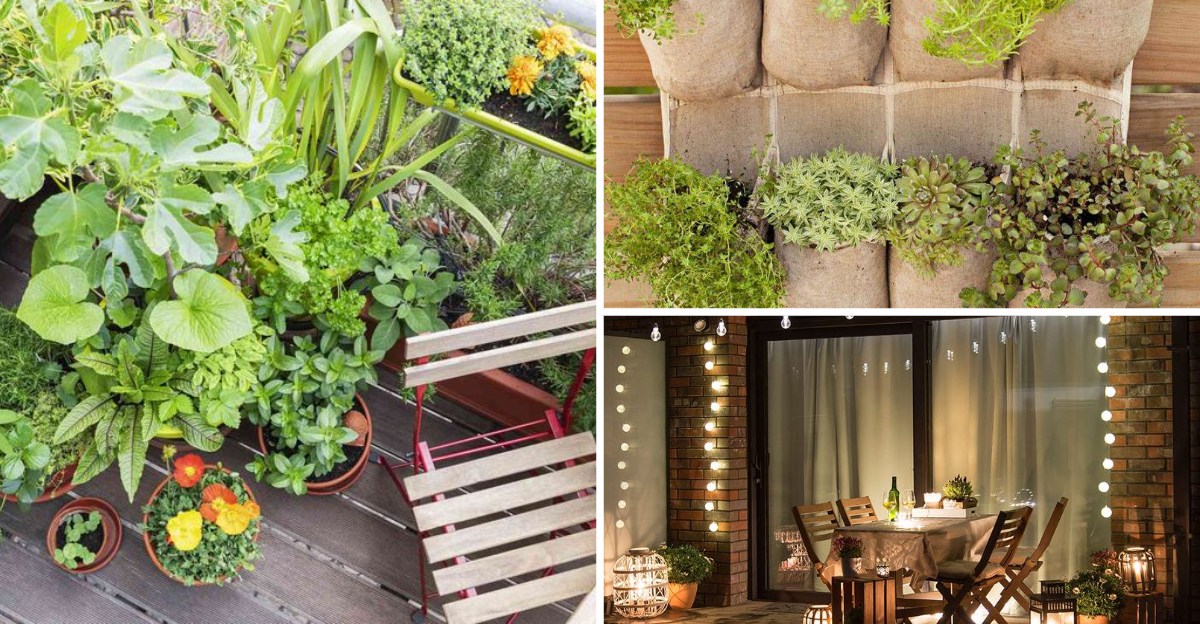
Using oversized tropical leaves, tall ornamental grasses, or layered garden beds creates a vertical dimension that draws the eye upward. When you focus on vertical height rather than horizontal floor space, the physical boundaries of the ground seem to melt away entirely.
Transforming Front Yards for Easy Upkeep
This design philosophy works wonders for front yards too. A tiny patch of front lawn is often just a hassle to mow and water, and it rarely offers any real curb appeal. Moving toward a no-grass front yard makes the entrance look highly intentional and beautifully designed.
By mixing low-maintenance ground covers, gravel paths, and structural stones, you create a rich tapestry of textures. Not only does this save tons of water and weekend maintenance time, but it also gives your home an inviting, spacious courtyard vibe that standard turf simply cannot match.
Practical Steps to Downsize Your Lawn Today
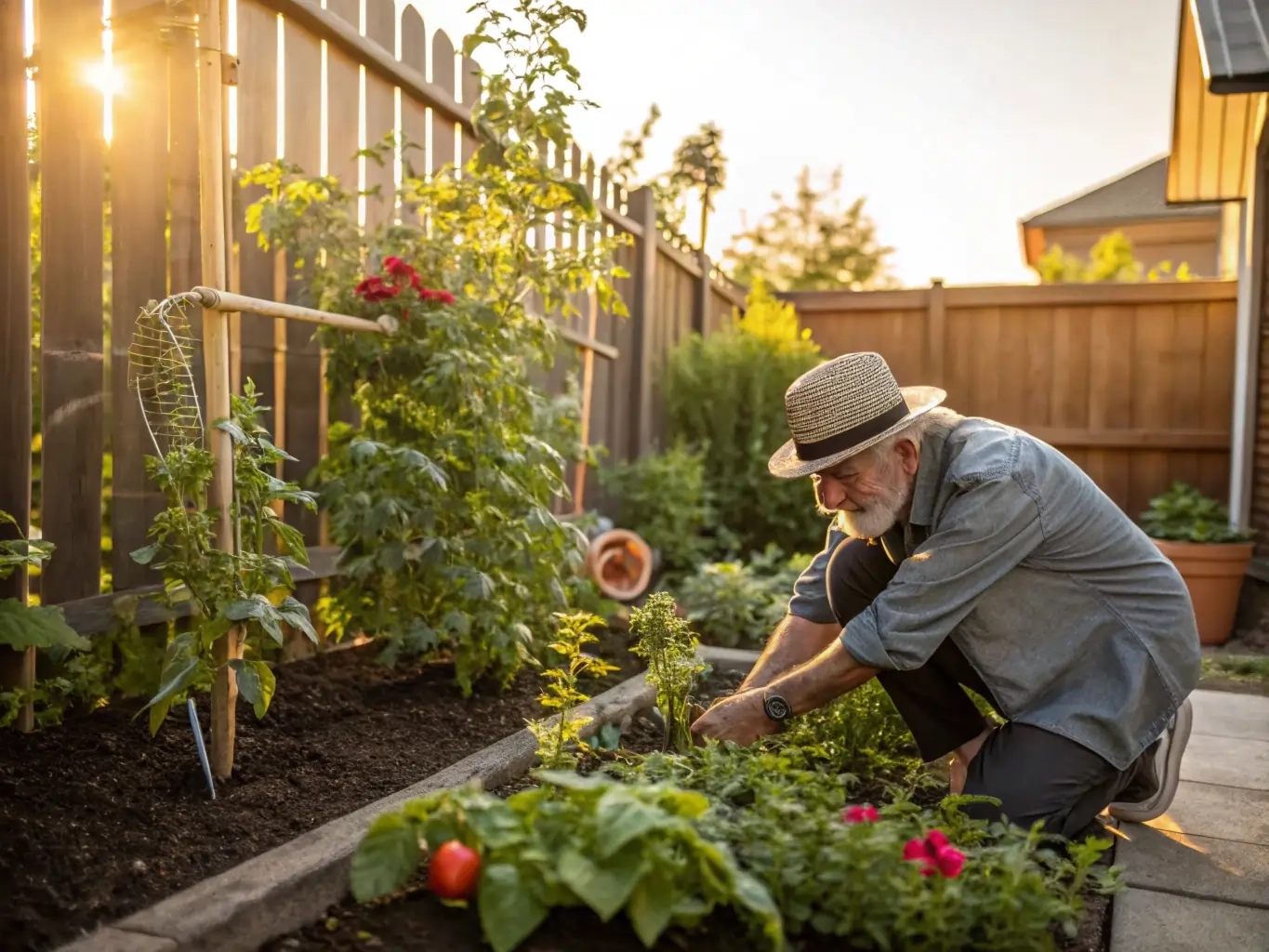
Ready to transform your cramped outdoor area into a spacious sanctuary. You don’t have to rip up your whole yard overnight. Start small by carving out a deeper border along your existing fence line and filling it with multi-level plants.
Over time, you can gradually expand these borders or add a cozy seating area nestled into a corner. By reducing the grass step by step, you will notice your garden starting to feel more open, polished, and genuinely enjoyable to spend time in.
At the end of the day, maximizing a limited garden isn’t about sacrificing style or comfort. It is about using creative design and a little bit of optical illusion to unlock the hidden potential of your property.
By letting go of the traditional idea that a backyard must be centered around a giant green lawn, you open the door to a world of lush textures, inviting paths, and cozy outdoor rooms. You will be amazed at how much bigger and more welcoming your sanctuary feels when you let the plants take center stage.