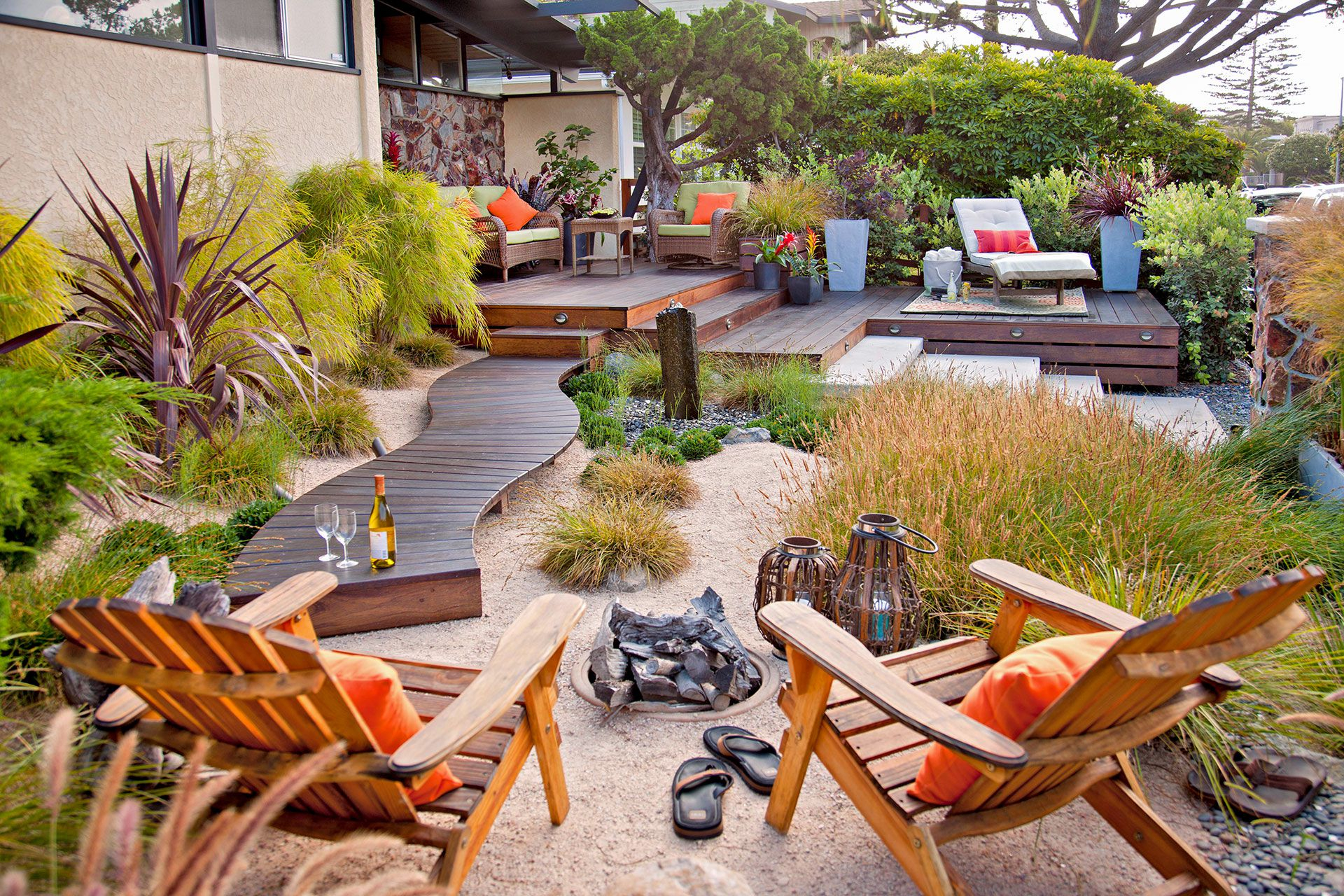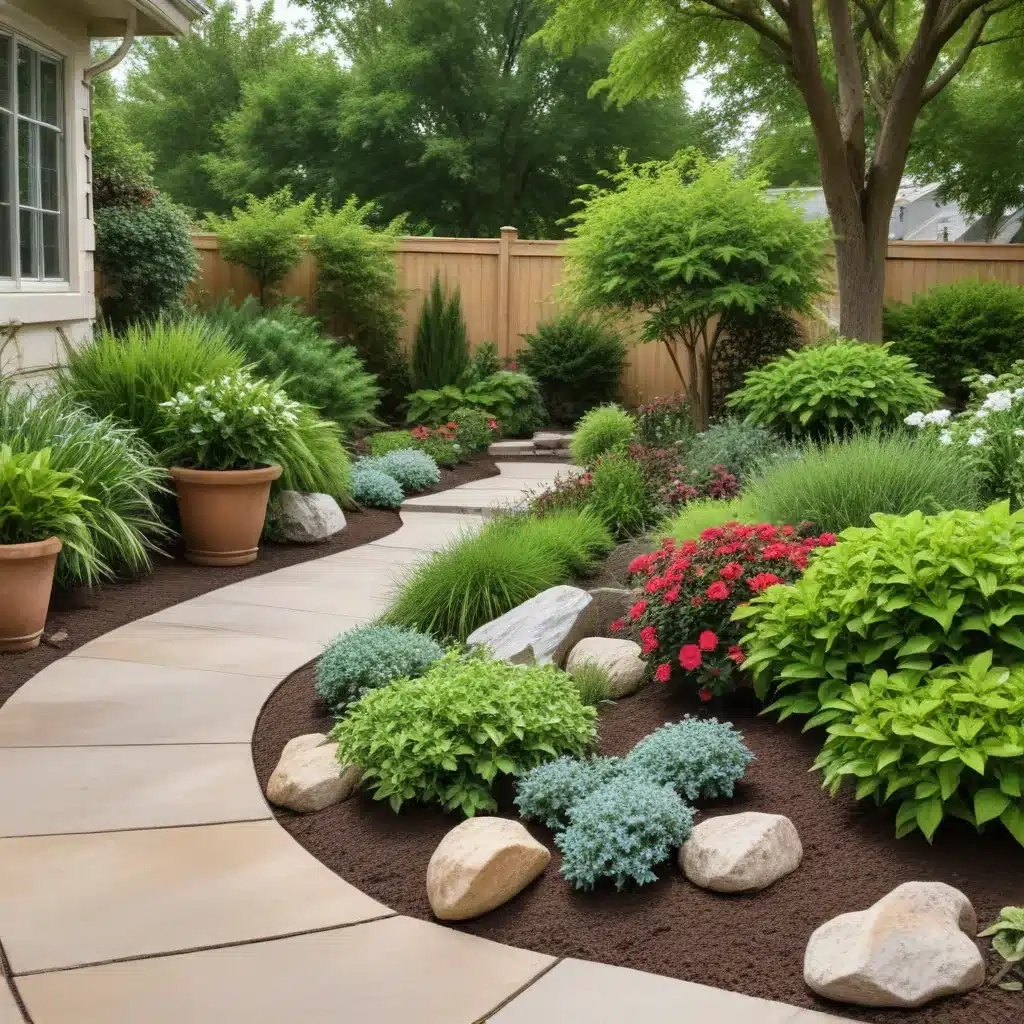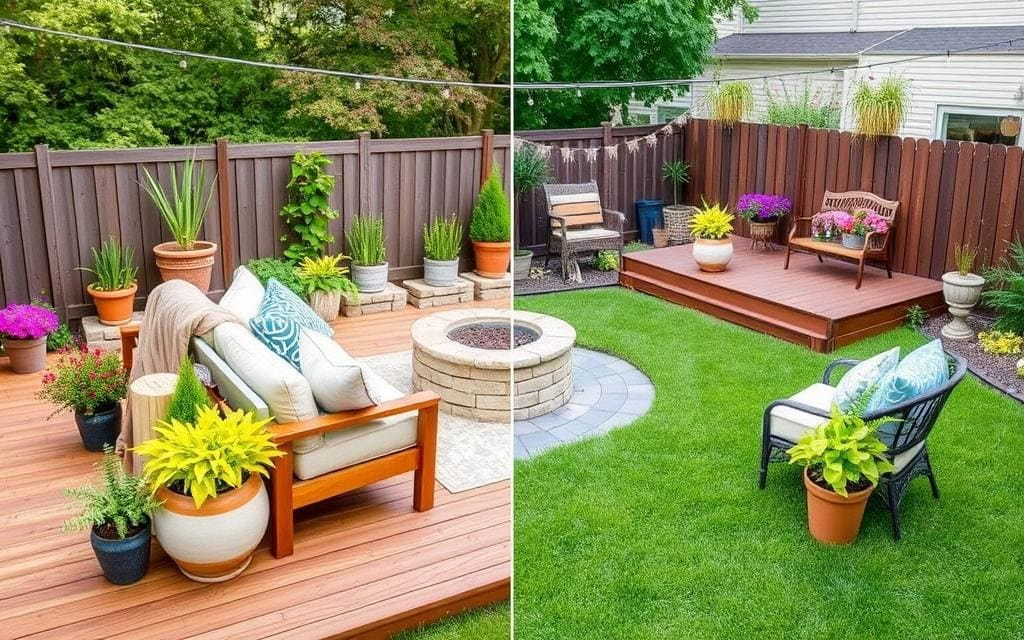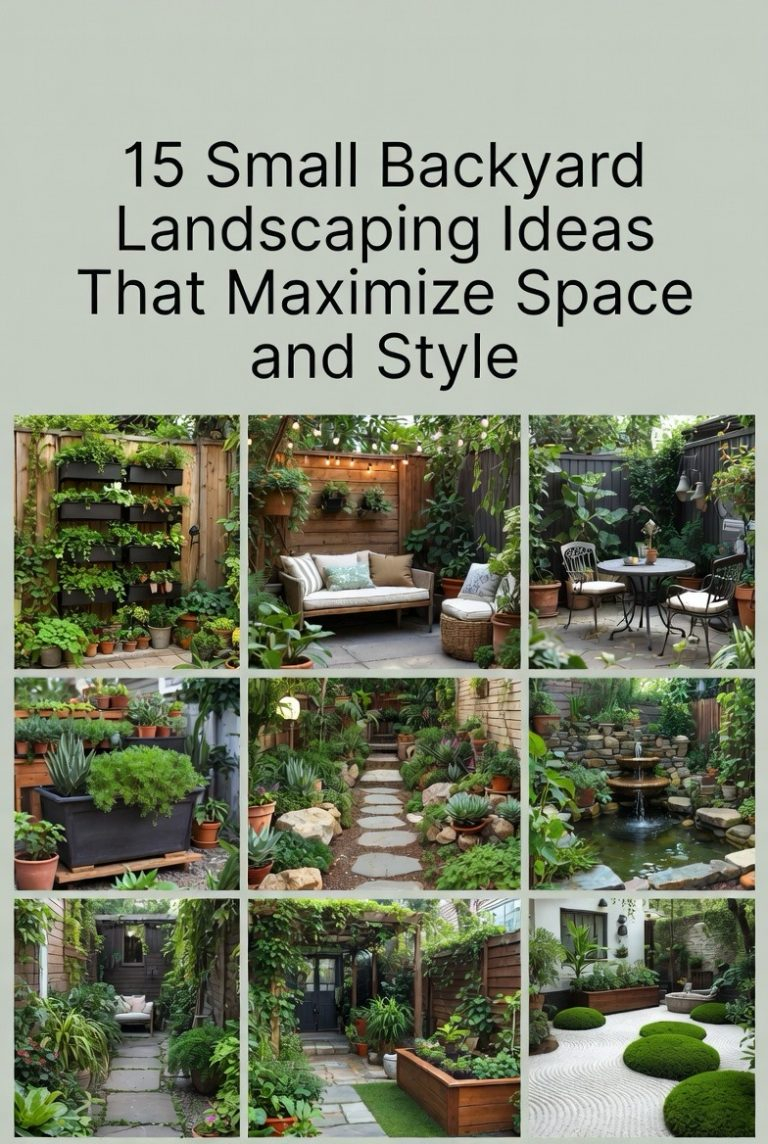

The afternoon sun beats down mercilessly on a patch of concrete barely larger than a yoga mat, baking the apartment brick wall right behind it. For three years, this four-by-eight-foot balcony served as a glorified graveyard for empty Amazon boxes and a dying spider plant. It felt too small to matter, too exposed to enjoy, and far too expensive to fix. Remodeling quotes from professional landscapers had routinely come back higher than a used economy car, turning what should have been a private urban oasis into an ignored liability of apartment living.
Then came the weekend of the $300 overhaul. Armed with a jigsaw borrowed from a neighbor, a stack of untreated cedar fence pickets, and an obsession with vertical real estate, the narrative flipped entirely. Suddenly, that dead zone became the favorite room in the house. A place for morning espresso, evening laptop sessions surrounded by lush ferns, and quiet breathing room amid a chaotic city.
Across neighborhoods, back alleys, and suburban postage-stamp yards, a quiet revolution is happening. People are reclaiming micro-outdoors without draining their savings accounts. By throwing out convention and embracing creative constraints, these homeowners are proving that square footage matters far less than imagination, sweat equity, and a refusal to accept that outdoor comfort is a luxury reserved for those with expansive acreage.
The architectural history of small-space living often treats the outdoors as an afterthought, a mere balcony buffer between indoor life and the street below. Urban planners in the mid-twentieth century prioritized high-density footprint efficiency, leaving apartment dwellers with compressed terraces and narrow fire escapes. In the suburbs, booming real estate valuations shrank plot sizes, pushing homeowners closer together and leaving side yards and tiny courtyards as neglected leftover spaces. Yet, human psychology remains stubbornly biophilic; we crave the tactile reality of soil, wood, and shifting sunlight regardless of our boundaries.
When inflation squeezed household budgets, large-scale outdoor renovations took a massive hit. Homeowners could no longer justify sinking thousands of dollars into imported stone pavers, custom iron railings, and mature specimen trees. This economic friction birthed a pragmatic ingenuity. People began treating compact outdoor zones not as miniature versions of grand backyards, but as distinct micro-environments requiring entirely different design rules. The focus shifted away from heavy masonry and sprawling turf toward lightweight materials, vertical layouts, and multi-functional elements that punch well above their weight class.
The Geometry of Small Spaces and Psychological Expansion
Transforming a compact courtyard or narrow balcony begins long before the first trip to the hardware store. It starts with unlearning how we perceive spatial dimensions. A common trap is filling a small area with small items—tiny chairs, narrow side tables, and scattered pots—which inadvertently creates visual clutter. Real homeowners who have successfully tackled these projects often emphasize the "scale inversion" principle: using fewer, slightly larger elements to trick the eye into reading the space as more expansive than it actually is.
Visual weight dictates how our brains process boundaries. If a tiny patio is crowded with twenty small flowerpots, the eye stutters across a chaotic grid, making the area feel cramped and stressful. Grouping those same plants into three larger containers or building a vertical tiered planter clears the sightlines. Furthermore, flooring choice acts as the canvas of any outdoor room. Standard concrete slabs or weathered rental wood often scream temporary and unpolished. Instead of ripping out flooring—which is expensive and often violates lease agreements—homeowners are turning to interlocking deck tiles made of acacia or composite material. These snap together over existing surfaces without glue or nails, can be taken apart when moving, and instantly elevate the tactile warmth of the space.
Another critical element often overlooked is the psychological power of enclosure. In tiny spaces, you are often exposed to neighboring windows or unsightly utility lines. Rather than trying to block the entire view with heavy privacy screens that choke off light and airflow, successful DIYers use layered screening techniques. Translucent outdoor fabrics, slender vertical timber slats spaced two inches apart, or climbing vines on thin wire trellises create a soft filter. This maintains privacy while preserving the illusion of an open horizon, keeping claustrophobia at bay while ensuring you do not feel like you are sitting on display for the entire apartment complex.
Materiality on a Shoestring: Sourcing Beyond the Big-Box Retailer
The financial trap of outdoor decorating is walking into a trendy garden center and paying markup prices for mass-produced furniture labeled as "patio chic." Realizing a dream outdoor space on a tight budget requires a complete shift in procurement strategy. The secret lies in repurposing materials intended for entirely different industries and finding hidden gems in the unlikeliest of places. Construction sites, industrial surplus yards, and online neighborhood giveaway groups are goldmines for the resourceful renovator.
Consider the humble wooden shipping pallet. While older pallets require careful inspection for chemical heat-treatment stamps (look for the HT mark and avoid MB, which means methyl bromide), they provide free or ultra-cheap lumber for those willing to do some sanding. Homeowners have dismantled them to build floating benches, vertical herb gardens, and low-profile coffee tables on casters. The secret to making pallet wood look intentional rather than derelict is heavy sanding with an orbital sander, followed by an exterior-grade spar varnish or a deep-penetrating UV-blocking stain. This turns rough pine into a rich, weather-resistant surface that mimics high-end teak at a fraction of the cost.
Beyond wood, industrial castoffs like concrete mixing tubs, galvanized steel livestock tanks, and terracotta roof tiles offer incredible durability and striking modern aesthetics when repurposed as planters or water features. A livestock tank bought from an agricultural supply store costs a fraction of a designer metallic planter, yet its raw galvanized finish offers a gorgeous industrial contrast against soft green foliage. Sourcing thrifted interior furniture—such as mid-century metal wire chairs or wooden stools—and sealing them with rust-inhibiting spray paint or marine varnish also bypasses the outdoor furniture price inflation entirely, giving a space curated character that store-bought matching sets simply cannot replicate.
Step-by-Step Blueprint for a Budget-Friendly Outdoor Makeover
Achieving a high-end look on a strict budget requires a methodical approach. Skipping steps or buying items impulsively leads to clutter and wasted cash. Follow this field-tested framework to execute your small-space transformation efficiently:
- Step 1 (The Clean Slate and Audit): Clear every single item off your outdoor space. Scrub the floor thoroughly with a pressure washer or a stiff-bristled brush and eco-friendly cleaner. Assess the exact dimensions, note where the sun hits at different times of the day, and identify permanent eyesights like drainage pipes or unsightly railings.
- Step 2 (Flooring and Base Foundation): Lay down an affordable surface upgrade that suits your budget and living situation, such as interlocking wood tiles, an outdoor performance rug made from recycled plastics, or even a coat of specialized porch-and-floor paint for concrete slabs. This immediately establishes the color palette and texture of the room.
- Step 3 (Vertical Optimization): Install your vertical elements before placing any furniture. Mount floating shelves, hang exterior-safe wire grids for trailing plants, or set up a lean-to trellis against a blank wall. Freeing up the floor space is non-negotiable in tight quarters.
- Step 4 (Multi-Functional Furnishing): Bring in foundational furniture that serves dual purposes. Think storage benches that double as seating, fold-down wall-mounted bistro tables, or nesting tables that can be tucked away when floor space is needed for yoga or relaxing.
- Step 5 (Atmospheric Layering): Complete the space with soft details that command psychological warmth. Add weather-resistant throw pillows, outdoor battery-operated or solar-powered Edison string lights, and potted perennials or herbs that thrive in your specific hardiness zone.
Common Pitfalls and Field-Tested Workarounds
Even the most enthusiastic DIYers can stumble when faced with the unique physical limitations of compact outdoor areas. Anticipating these missteps saves both money and frustration:
- Pitfall 1 (Overcrowding with Non-Scale Furniture): Cramming bulky, oversized traditional patio furniture into a tiny balcony makes the area unusable and claustrophobic. Workaround: Measure twice and mock up your layout using blue painter’s tape on the floor before buying anything. Prioritize slim profiles, armless chairs, and furniture with exposed legs that allow light to pass underneath, maintaining visual openness.
- Pitfall 2 (Ignoring Micro-Climate and Sunlight Realities): Buying shade-loving ferns for a scorching south-facing balcony or sun-drenched succulents for a damp, shaded north-facing courtyard leads to rapid plant mortality and wasted money. Workaround: Spend a full weekend tracking the sunlight patterns of your space before purchasing greenery. Match plant tags strictly to your local hardiness zone and actual sunlight exposure.
- Pitfall 3 (Using Indoor Materials Outside): Placing untreated indoor plywood furniture, non-weatherproof textiles, or standard paper rugs outside results in mold, rot, and structural failure after a single rainstorm. Workaround: Always check material specifications. Look for terms like UV-resistant olefin, marine-grade vinyl, exterior-rated spar urethane, and rot-resistant timber species like cedar, redwood, or acacia.
- Pitfall 4 (Neglecting Drainage and Weight Limits): Over-watering potted plants without saucers ruins wooden decks or irritates downstairs neighbors, while heavy wet soil in massive ceramic pots can dangerously overload balcony weight capacities. Workaround: Use lightweight fiberglass or resin planters, place plastic filler blocks or empty inverted nursery pots at the bottom of large containers to reduce soil weight, and always use catch trays.
- Pitfall 5 (Forgetting Evening Illumination): Designing a space that looks stunning at noon but becomes a pitch-black cave at night drastically cuts down your usable hours. Workaround: Layer your lighting using solar stake lights, rechargeable magnetic wall sconces, and warm-toned string lights to create a welcoming, ambient glow after dark.
The Economics of Micro-Renovation and Sustainable Material Choices
In an era defined by fast furniture and disposable goods, redesigning a small outdoor space on a budget naturally intersects with broader conversations about sustainability. When homeowners avoid purchasing pre-packaged patio sets shipped across oceans and instead source locally, upcycle scrap wood, and propagate their own plants from cuttings, they drastically reduce their personal carbon footprint. This localized approach honors the materials themselves, extending their lifecycles through careful maintenance and thoughtful design.
Financially, treating a small outdoor space like an extension of your home’s square footage yields an incredible return on investment—not just in resale value, but in daily mental health dividends. Studies in environmental psychology consistently show that regular exposure to living plants and natural light lowers cortisol levels and boosts mood. When urban and suburban residents carve out these personal sanctuaries, they are essentially building an inexpensive, daily mental health buffer.
Furthermore, durability is the ultimate eco-friendly metric. Spending slightly more on a single gallon of high-grade exterior wood sealer rather than buying cheap, flimsy plastic tables every two years saves money over time while cutting down on landfill waste. By viewing the small-scale renovation as an exercise in resourcefulness rather than consumerism, homeowners cultivate a deeper appreciation for their immediate environment, proving that luxury is defined by comfort and intention, not an inflated price tag.
Strategic Frameworks for Long-Term Maintenance and Seasonal Adaptation
A truly successful budget redesign is not a static snapshot meant to look good for a single Instagram photo; it is a living, breathing system designed to transition seamlessly across changing seasons. Homeowners who maintain thriving outdoor spaces year after year rely on simple maintenance routines that prevent minor issues from turning into costly replacements.
- The Seasonal Transition Checklist:
- Spring Renewal: Prune back dead perennial growth, wash down deck tiles with a mild soap solution, and refresh the top two inches of potted soil with nutrient-rich compost.
- Summer Defense: Set up automatic drip irrigation or self-watering spikes for containers to prevent heat shock during peak heatwaves, and check UV protective coatings on exposed wooden furniture.
- Autumn Preparation: Bring frost-sensitive tropical plants indoors, clear fallen leaves from drainage grates to prevent standing water, and store lightweight textiles in breathable bins.
- Winter Resilience: Elevate pots slightly off the freezing ground using pot feet to prevent cracking from ice expansion, and cover delicate outdoor furnishings with breathable weather covers.
By establishing these micro-habits, the physical investment remains protected, ensuring that your budget-friendly creation looks just as vibrant in its third year as it did on the afternoon you finished building it.
The transformation of a compact outdoor space is ultimately an exercise in reclaiming agency. In a world where housing costs continue to soar and personal living spaces shrink, the ability to carve out a patch of serenity using ingenuity, secondhand finds, and a few basic tools is profoundly empowering. It teaches us that beauty does not require a blank check, and that comfort is born from thoughtful design rather than square footage.
Stepping out onto that finished balcony or tiny courtyard—surrounded by the scent of fresh rosemary, the warm glow of string lights, and the tactile warmth of hand-sanded wood—reminds you of what truly matters. The initial intimidation fades away, replaced by the quiet pride of knowing you built this sanctuary with your own hands. As you pour your morning coffee and listen to the birds against the backdrop of the city or neighborhood, the limitations of the space vanish entirely, leaving behind only the rich, grounding reality of a home well-loved.